Plumeria is actually a plant, not the egg flower we eat
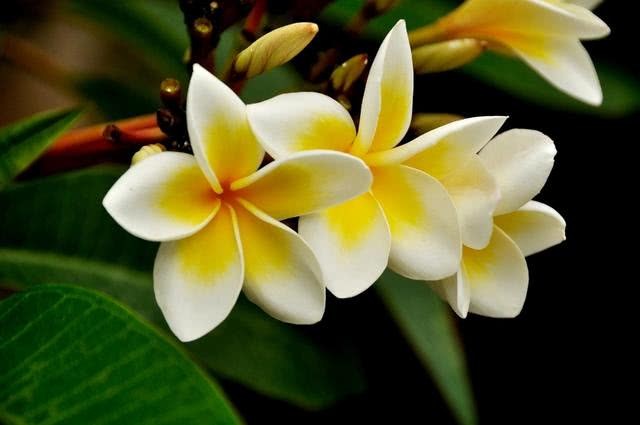
Plumeria, also known as Mexican frangipani and egg-yolk flower, is a flowering deciduous tree of the genus Plumeria, commonly called frangipani or plumeria, and is native to tropical regions. In cold climates, you can grow them in pots during spring and summer, and bring them indoors during winter. In Xishuangbanna, China and some Southeast Asian countries, plumeria is designated by Buddhist temples as one of the "Five Trees and Six Flowers" and is widely planted, hence it is also called "temple tree" or "pagoda tree".
Soil
Suitable for well-drained and nutrient-rich soil. You can mix it as follows: a combination of 1 part coconut coir or peat moss, 1 part perlite, 1 part pumice and 1 part compost. Add 2 to 3 tablespoons of blood meal or bone meal. It needs plenty of sunlight and will grow in a variety of soils with a pH between 6.6 and 7.5.
Water requirements
Spray water once a week during the growing season from April to September. Let the soil around the plumeria dry out between waterings, then soak it deeply. If there is not enough water in summer, the plumeria will bloom less. It does not like soggy soil.
Fertilizer and pests
During the growing season in spring and summer, fertilize twice a month. You should fertilize potted plumeria with 1 to 2 tablespoons of 10-52-10 water-soluble fertilizer. Stop fertilizing in late summer so that new growth hardens before winter. Be on the alert for infestations of mealybugs, whiteflies and spider mites.