How to grow roselle so it flourishes in a pot? Mastering the method is key
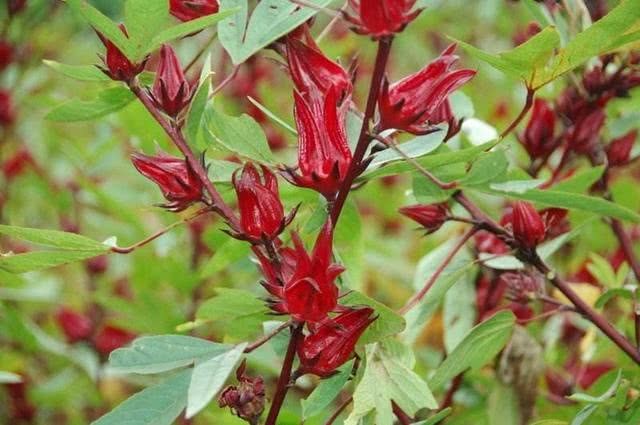
Roselle, also commonly known as Hibiscus sabdariffa, is mainly produced in southern China, such as Yunnan and Zhejiang. As a herbaceous plant, it has both medicinal and culinary uses. When roselle is in full bloom, its bright flower color gives the plant high ornamental value. So how should roselle be cultivated properly, and what uses does it have?
1. The uses of roselle
First, roselle contains a variety of amino acids, vitamin C, malic acid and more, which can effectively promote the gastrointestinal absorption of food, and using roselle to make tea has a stomach-nourishing effect; second, roselle has the function of clearing heat and detoxifying. If consumed in appropriate amounts during the high-temperature summer season, roselle is very helpful for reducing internal heat. The water extract of the calyx part of roselle can also be consumed and has a diuretic and blood pressure-lowering effect; moreover, roselle contains various proteins and certain vitamins, giving it a certain antioxidant effect, so it is also often made into beauty products, with effects on skin beautification and nourishment.
2. Cultivation of roselle
I. Soil for roselle
Roselle is relatively drought-tolerant and has no special requirements for soil; it can grow in ordinary soil. If it grows in overly fertile soil, the branches and leaves of the plant will branch more, making it prone to lodging; if it grows in overly poor soil, diseased conditions will appear. Therefore, for cultivating roselle, it is suitable to use semi-matured yellow mud.
II. Choice of watering
Compared with other flowers, roselle has a relatively low water requirement. During the growing period, roselle only needs the potting soil to remain semi-moist, and watering once about every 7-10 days is appropriate; if the outside temperature is relatively high, the amount of watering can be appropriately increased, and a small amount of water can be sprayed on the plant's flowers and leaves. Usually, slightly dry potting soil is actually better. If watered excessively, it is prone to causing disease and lead to phenomena such as root rot.
III. Light and temperature conditions
Roselle likes to grow in a semi-shaded environment, so the duration and intensity of light have a great relationship with its growth. During the development period, about 10 hours of light should be maintained each day. If there is insufficient light, it will affect its flowering time and greatly reduce the amount of flowering. In summer afternoons, semi-shading treatment is needed; during the development period, the suitable growing environment temperature for roselle is between 18-25 degrees, and the annual average temperature must be above 16 degrees to ensure growth.
IV. Appropriate fertilizing
Roselle has a relatively low fertilizer requirement, and fertilizing once about every half month is suitable. You can choose to appropriately add some fertilizer before and after the flowering period; for fertilizer selection, mainly use compound fertilizer based on potassium fertilizer, which improves the plant's resistance to disease and also promotes an increase in flowering yield.