Chest pain is not necessarily a lung disease; the two are not strongly linked
When lung diseases such as pneumothorax, hemothorax, and emphysema occur, most cases will involve chest pain. But when placed among diseases of all the organs and systems throughout the body, the proportion of chest pain attributable to lung disease is not high. Because in European and American studies, what is shown is that about 60% of chest pain is caused by psychological factors, known as non-organic chest pain. The second most common cause of chest pain is musculoskeletal pain, accounting for 36%.
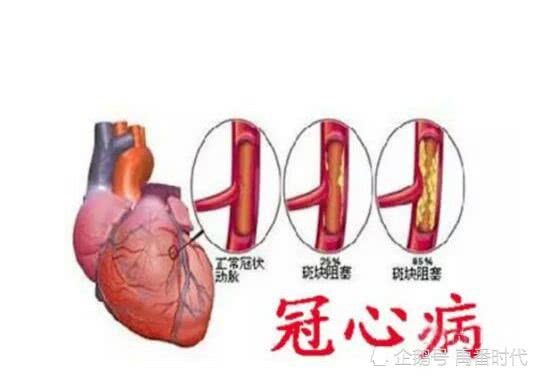
Chest pain from angina pectoris and myocardial infarction among coronary heart disease and its complications accounts for 15%. And chest pain caused by gastroesophageal reflux has an even higher rate than chest pain from coronary heart disease. General chest pain is both common and not high-risk, but when severe pain occurs, when chest pain is accompanied by obvious difficulty breathing, when chest pain markedly changes blood pressure or heart rate and respiratory rate, and also when there is a history of lung, heart, or other organ disease, or a family history of high-risk diseases, the chest pain should be actively examined and treated.
Chest pain caused by lung and heart diseases is easy for people to understand, while chest pain caused by psychological factors and esophageal movement such as gastroesophageal reflux is difficult to understand. In fact, it is because diseases of esophageal motor dysfunction such as gastroesophageal reflux cause diffuse esophageal spasm and high pressure of the lower esophageal sphincter, resulting in chest pain, which is therefore called esophageal chest pain. Its characteristics are that it mostly occurs after meals, the pain can last 1 hour and is non-radiating, and it is accompanied by heartburn, acid regurgitation, difficulty swallowing, etc., and relieves after treatment with antacids.
Gastroesophageal reflux
From this it can be said that after chest pain occurs, it is necessary to closely consider past medical history, family history, mental state, and so on. And from past medical history such as lung disease and coronary heart disease, once chest pain appears, it indicates that the condition has developed to a serious degree; for example, when pneumothorax or hemothorax occurs during the course of diseases such as pulmonary bullae and emphysema, the appearance of chest pain is a manifestation of serious condition. At the same time, other symptoms will also markedly worsen.
If you have questions or need help, please call 01062170649 13269852331