Using it to grow flowers works especially well, and even beginners won't kill their plants.
When growing flowers at home, the biggest worries are root rot, crown rot and pests and diseases. After several years of practice, I found that there is one thing that works better than any fungicide or disinfectant, and when applied to flowers it has a special effect on preventing root rot, crown rot and disease, and that thing is a common household item: sulfur. Don't underestimate this sulfur; used in flower growing it can achieve twice the result with half the effort. So how exactly should it be used? Let me introduce it to you below.
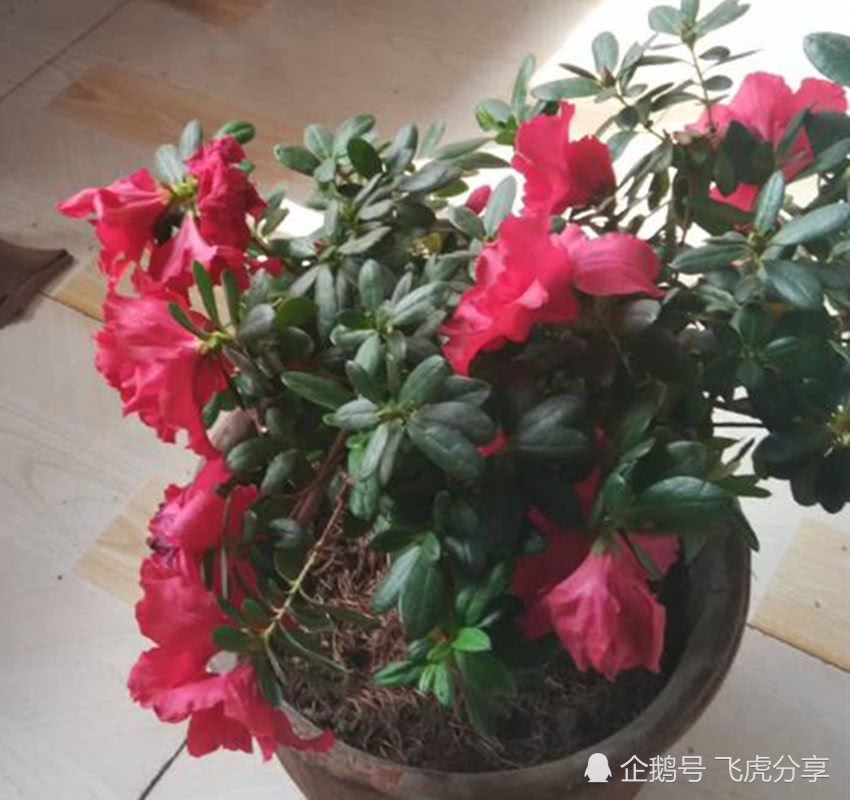
When transplanting or repotting flowers, sprinkle a little sulfur powder around their root system to prevent root rot caused by overwatering. When using it, it is best to first spray the roots with water, then spray the sulfur powder evenly onto the roots; just a tiny bit is enough. If your flowers have rotten roots or disease, such as clivia (Clivia miniata), rhododendron (Rhododendron) or camellia (Camellia japonica), you can first take the plant out of the pot, cut off the rotten or infected roots, spray sulfur powder on the roots, then replant it in fresh soil, and before long new roots will grow. This method has a special effect.
When taking cuttings, because the medium is not sterilised or because using flower soil for cuttings easily causes the stems to turn black and rot, the survival rate of cuttings is low. If, when taking cuttings, you dip the base of the stem in water, then dip it in sulfur powder, and then insert it into clean river sand, it not only prevents rot and raises the survival rate, but also makes the cutting grow stronger. For potted flowers such as clivia (Clivia miniata) and orchids (Orchidaceae), improper watering or fertilising easily causes crown rot; in this case you can cut away the rotted part with a knife, then spray on sulfur powder, and before long new shoots will appear.
During growth, flowers inevitably suffer from various diseases, such as powdery mildew, leaf spot and stem rot. Most flower growers choose Bordeaux mixture or carbendazim to control them, but the results are not very satisfactory and the disease cannot be completely controlled. If sulfur powder is used instead, it has a special effect on the disease. When using it, you can evenly spray the sulfur powder on the affected parts, and after a few days the disease will gradually disappear. In addition, sprinkling a little sulfur powder into the flower soil and mixing it in before using it to grow flowers can also prevent root rot.