How do you make a root-exposed bonsai? The method is simple, easy to follow, and you'll learn it in no time
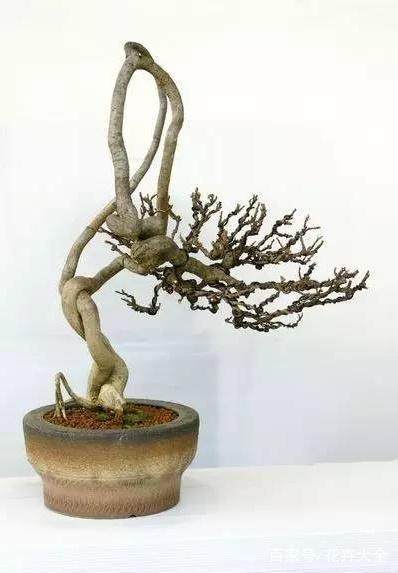
When it comes to growing bonsai, many people are especially passionate about it, but when it comes to how to make one, that's a bit of a tall order. Most people say they don't know where to start, so they just buy one directly from the flower market.
Different bonsai have different methods of creation. Today we're mainly talking about the techniques for making a root-exposed bonsai.
Root exposure is also called bare-rooting, and obviously, it means exposing the roots. First, let's talk about the first method: the deep-pot, high-planting, mounded-soil method. Just from the name, we know we need to choose a deeper pot, and secondly, we need to choose loose, fertile soil that also has good drainage. Pile the soil up above the rim of the pot, then plant the established stump on top of the soil that rises above the pot. After a few years, the roots will gradually become exposed.
Another method is the shallow-pot with sleeve-tube and soil-filling method. Choose a relatively shallow pot, then stack a small cylinder on top of the pot and slowly fill it with soil. Then plant the tree stump into the cylinder. The soil inside the cylinder must be loose and fertile, otherwise it will not be good for the bonsai's growth. After a few years of cultivation, when the tree's roots are strong enough to support the stump, remove the cylinder and the roots will gradually become exposed.
The third method is root pruning of the tree stump. The stumps we usually buy almost always come with roots, and we can cut off part of these roots, mainly the lateral roots and the main root. Then, through a series of cultivation and care steps, these cut wounds gradually heal, and after a period of time, the wounds become almost invisible. This way, it actually looks much more attractive than before. At the same time, for busy people, this method can shorten the time needed for cultivation and management.
The fourth method is rock-attached cultivation. This method is mainly carried out according to the specific requirements of root exposure. Tie the stone to the outside of the tree roots, then fasten it tightly. Of course, the choice of stone is not random; there are certain requirements. You should choose one that is about the same length as the tree roots and has a nice shape, otherwise it will affect the bonsai's appearance. Stones with holes and crevices, such as sea-mother stone and sandstone, are all suitable.
The last one is the root-clasping method of root exposure. This method is relatively rare and is used for more special plants; generally, we wouldn't use this method. So I won't say much about it here. If you want to learn about it, you can look it up online or check relevant materials yourself.
In daily life, the root exposure methods we use are mainly the first three. At the same time, it's important to note that creating a good living environment for these bonsai is also very important. If you achieve a good environment and skillfully apply these root exposure methods, then I believe making them won't be a problem at all.