The plant is dying, how do you save it? Do this and it will come back to life with ease
Sometimes plants mysteriously turn yellow and wilt. When we see that a plant is not doing well, we must first determine what is causing the wilting, and then decide on a treatment based on that cause.
Drowning
Plants drown mainly because there is too much water in the soil, which prevents the roots from breathing and eventually causes root rot.
Treatment plan:
1. First, dig into the potting soil to check whether the roots have rotted. If not, simply loosen the soil and place the plant in a ventilated spot away from strong direct light so excess moisture can evaporate.
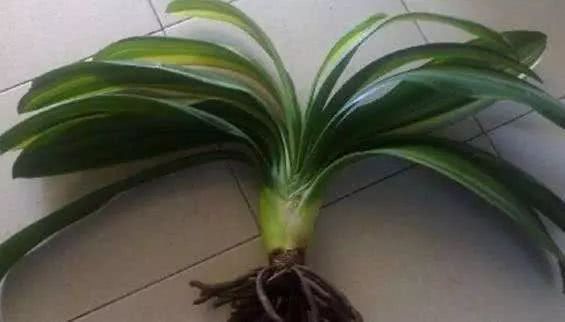
2. If the plant already shows root rot, we need to clean up the root system. Here we use a clivia (Clivia miniata) as an example.
3. Take the clivia with rotted roots out of the pot, remove the soil, rinse the roots clean, and use scissors to cut off the rotted parts.
4. Apply plant ash or carbendazim to the wounds to disinfect them.
5. Let the plant dry in the shade for 1-2 days, without direct sunlight.
6. After drying, plant it in coarse river sand or sphagnum moss, and after some time it will grow new roots.
7. The steps for dealing with root rot in other plants are roughly the same, though adjustments still need to be made according to each plant's own characteristics.
Drying out
If a plant is not watered in time, its leaves will gradually wilt starting from the tips and moving downward, until the whole plant dries up and dies.
Treatment plan:
1. If the potting soil is too dry and has become compacted so that it can no longer absorb water when watered, we need to use the soaking method.
2. Place the pot into a larger basin and add water up to half the height of the pot.
3. When you touch the surface soil of the pot and find it is already moist, take the pot out.
4. Once the soil is fine, we need to deal with the plant. Here we use pennywort (Hydrocotyle vulgaris) as an example.
5. First cut off all the dead leaves and stems of the pennywort. The water to be used should be left standing next to the plant for 1-2 hours to make sure the water and the potting soil are at a similar temperature.
6. Do not water too much the first time. After watering, place it in a warm, bright spot, and after some time it will sprout again.
Pests
If your plants are not treated during periods when pests are prevalent, the whole plant will dry up and die. So you should always pay more attention to pest prevention.
Treatment plan:
1. Taking scale insects as an example, if the infestation is not very serious, you can directly dilute Jiebizhi at 1:2000 with water and spray it on the affected leaves.
2. If the infestation is already very serious and repeated treatments fail, we need to select healthy parts and re-propagate them from cuttings. Below we use a rose (Rosa chinensis) as an example.
3. Cut a healthy flowering stem, remove the leaf at the lower bud eye, and cut the upper leaves in half.
4. Insert it into perlite or washed clean coarse sand, place it in a cool, ventilated spot, keep the soil moist, and wait for the plant to take root.
Fertilizer burn
Fertilizer burn happens because too much fertilizer was applied or the fertilizer concentration was too high, damaging the roots and causing the plant to gradually wither and eventually die.
Treatment plan:
1. Take the plant out of the pot and check whether any roots have been burned.
2. Gently rinse the soil off the roots, then use a sterilized blade to remove the burned parts and pick off the wilted leaves.
3. Put clean leaf mold soil into a clean pot and replant the plant.
4. Place the plant in a cool, ventilated spot, keep the potting soil moist, and it will gradually recover.
Sunburn
Strong sunlight in summer can cause plants to get sunburned, and in severe cases directly lead to black rot.
Treatment plan:
1. Promptly move the plant to a cool, ventilated spot and cut off the dead leaves and stems.
2. Water the plant thoroughly and keep it moist, and after a few days it will send out new shoots.
After reading all this, don't throw away plants that are nearly dead anymore. They can clearly still be saved!
If you also like growing flowers, then follow us!