Grow flowers this way for vigorous growth, and you'll never worry about them failing to thrive again
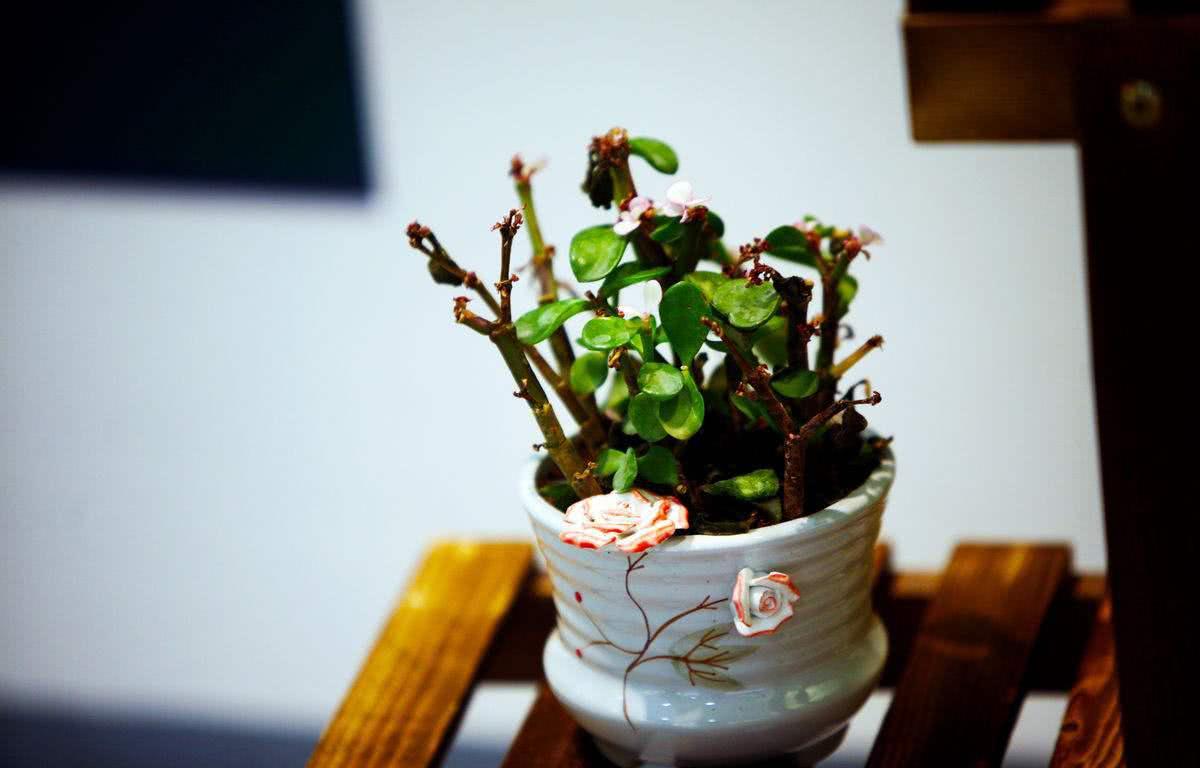
Keeping some flowering plants at home not only purifies the air but also adds a decorative touch to your living space. However, problems always seem to crop up during the growing process, leaving the plants lifeless. In fact, growing flowers is a field of knowledge in its own right, and you need to study it properly to help them grow well. So here are a few simple tips to help your plants grow better.
Fix waterlogging in pots
When growing plants, waterlogging easily occurs, which leaves them lifeless. In fact, when repotting your plants, you can add sterilized pine needles, which increases the drainage of the soil. Mixing the pine needles into the soil not only improves its looseness but also adds a certain amount of nutrients to the plants.
Neutralize alkaline soil
For some acid-loving flowering plants, overly alkaline soil can cause yellowing leaves and failure to bloom, so you can use fruit peels to neutralize the soil's alkalinity. Soak apple peels and cores in water and use it to water the plants, which reduces the alkalinity of the potting soil.
Deodorize fertilizer
Many people ferment things like rice-washing water and fruit peels at home to use as flower fertilizer, but during fermentation a rather pungent smell is always given off that is hard to tolerate. In that case, you can put orange peels into the fertilizer, which not only removes the odor but also adds nutrients.
Refresh the leaves
When refreshing plant leaves, many people just hold them under the tap, but the large temperature difference can affect the plant's growth. So when refreshing leaves, use a gauze cloth dipped in water and gently wipe the leaves along the veins. This not only helps the plant photosynthesize better but also makes it more attractive.
Eliminate pests
When temperatures are high in summer, flying insects always appear around plants, which is very annoying. You can take a few cotton swabs, dip them in dichlorvos, taking care not to let the dichlorvos drip into the soil, and finally insert them into the potting soil, which will eliminate the pests.