Most flowers die from overwatering. Do these 6 things well and your potted plants will grow vigorously with strong roots and green leaves
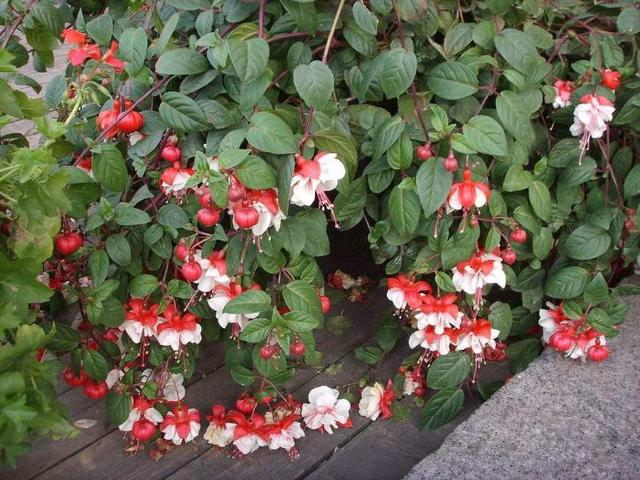
Watering potted flowers is a routine part of the flower-growing process. It is ordinary yet very important, and flower growers should pay attention to it. Most flowers die from overwatering. Do these 6 things well and your potted plants will grow vigorously with strong roots and green leaves!
1. Water quality
Water is divided into hard water and soft water according to its salt content, and soft water is preferable for watering flowers. Among natural waters, rainwater (or snow water) is the most ideal, because rainwater is a nearly neutral water, contains no minerals, and also contains more air, making it most suitable for flower growth. Next, river water or pond water is good. If using tap water, it must first be stored for 1~2 days to let the chlorine in the water dissipate before use. Note that water containing soap or laundry detergent and dishwashing water containing oil stains must not be used to water flowers.
2. Water temperature
When using well water or tap water to water flowers, it should first be stored for 1-2 days in summer, which can raise the water temperature and reduce the temperature difference between the water and the potting soil. If cold water is poured directly under the scorching sun, the soil temperature suddenly drops, stimulating the root hairs, which will hinder the normal absorption of water, causing "physiological drought", causing the leaves to scorch, and in severe cases leading to plant death.
3. Water according to the season
In spring and autumn, water at 10~11 am or 3~4 pm; in summer, water in the morning or evening when the temperature is low; in winter, water within 1-2 pm, and it is better to choose a sunny day. The amount of water should be such that the soil is evenly moist from the surface of the pot to the bottom. The water temperature and soil temperature should be kept close; slightly higher in winter and slightly lower in summer, but the temperature difference between water and soil must not exceed 5°C. If the water temperature is too low, it easily inhibits the normal growth of the roots, especially when the flowers are growing vigorously, the growth of the root system is inhibited, which will cause physiological disorder in the flowers, sudden cessation of growth, and cause leaf drop, flower drop, and fruit drop.
4. Water according to the climate
When the temperature is high or on windy days, water more; when the temperature is low or on cloudy days, water less; on rainy days, water less or not at all; when there is too much rain, potted flowers should be covered; when water accumulates, tip the pot to drain the water. Some flowers' leaves and leaf clusters need to be dry, and watering should be done when there is light or the temperature is higher, so that the water stuck to the leaves can evaporate quickly, but most flowers have no special requirements.
5. Water according to the habits and growth conditions of the flowers
Some heat-fearing flowers (such as cyclamen, fuchsia, etc.) and shade-loving, moisture-loving flowers (such as rhododendron, orchid, camellia, etc.) need frequent spraying of water on the leaves and the surrounding environment, so that the air also maintains considerable humidity, which is very beneficial to their growth and development. Tropical orchids, Araceae, Bromeliaceae flowers, and ferns also need frequent spraying. Some flowers are very sensitive to moisture, such as gloxinia and calceolaria, whose leaf surfaces have relatively thick fuzz; after water falls on them, it is not easy to evaporate, and it easily causes the leaves to rot. In short, moisture-loving flowers can be watered more; drought-tolerant flowers should be watered less; flowers with large, soft leaves should be watered more; flowers with small, waxy leaves should be watered less; herbaceous flowers should be watered more, woody flowers should be watered less.
Seedlings and delicate flowers, as well as newly potted cuttings that have not yet rooted, should all be sprayed with a suitable amount of more water. During the vigorous growth period, water more; during the dormant and slow-growth period, water less; when buds are forming, water more; during full bloom, water less.
6. Never water too much
If potted flowers are watered too much, the water fills the soil gaps, the soil air is replaced by water, causing a lack of oxygen in the soil, and the root tissue will have difficulty breathing due to lack of oxygen, its metabolic function will decrease, and water and fertilizer absorption will be hindered. Over time, the flowers will suffocate and die.