Put this kind of stone in the clivia pot, and the roots won't rot, plus it can bloom three or four times a year
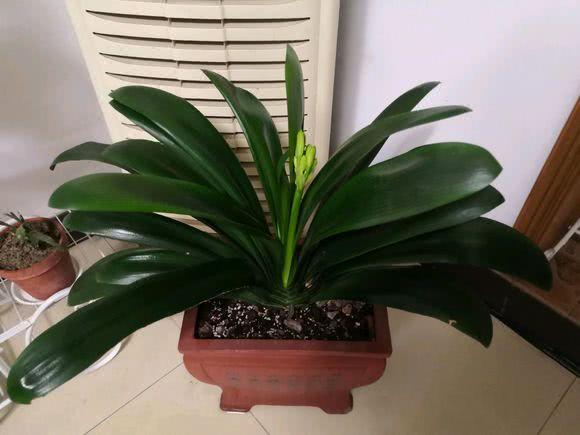
In everyday life, many people grow clivia. This plant has extremely high ornamental appeal, and placing it at home can elevate the style of the household; it is a premium flowering plant. Not only that, clivia also has a strong purifying ability, creating a fresh environment for people's home surroundings.
But growing clivia is usually a troublesome matter, because if clivia is handled even slightly improperly, problems like root rot and failure to bloom will occur. So today I will explain a good method for growing clivia, one that can control clivia root rot very well and can keep clivia blooming continuously; blooming three or four times in 1 year is no problem at all.
Through long-term care of clivia, you can find that the occurrence of clivia root rot is often related to our usual watering, and also related to whether the soil we usually use is clean. Standing water when watering will cause clivia root rot, while bacteria and pests in the soil directly gnaw at clivia's roots, causing root rot.
In order to care well for clivia and let it produce beautiful flowers every year, we should learn the way to water clivia. When watering, because clivia has fleshy roots that can store water themselves, and it is more suited to growing in a shaded environment, we have always watered clivia according to the principle of watering thoroughly once the soil is dry.
As for the soil for clivia, before using it we should make preparations for disinfection and sterilization, spreading the soil out evenly in a sunny place and using sunlight to bake and disinfect it, and only then can it be used. And during long-term use, we should always prevent pests; using natural garlic juice can prevent them and supplement nutrients for clivia.
Finally, the "stone" we use is actually a kind of expanded clay pellet. The role of expanded clay pellets is to cover the treatment methods for the two problems above; through expanded clay pellets, we can achieve good drainage and aeration for clivia, and the expanded clay pellets themselves can release some insect-resistant substances that can prevent insects, very effective and practical.
Therefore, when growing clivia, if you encounter root rot, you might as well use the method above, and it is guaranteed to make your clivia grow plump and large, and be able to bloom three or four times a year.