Clivia yellowing leaves and root rot? If you still do this, every plant you keep will die
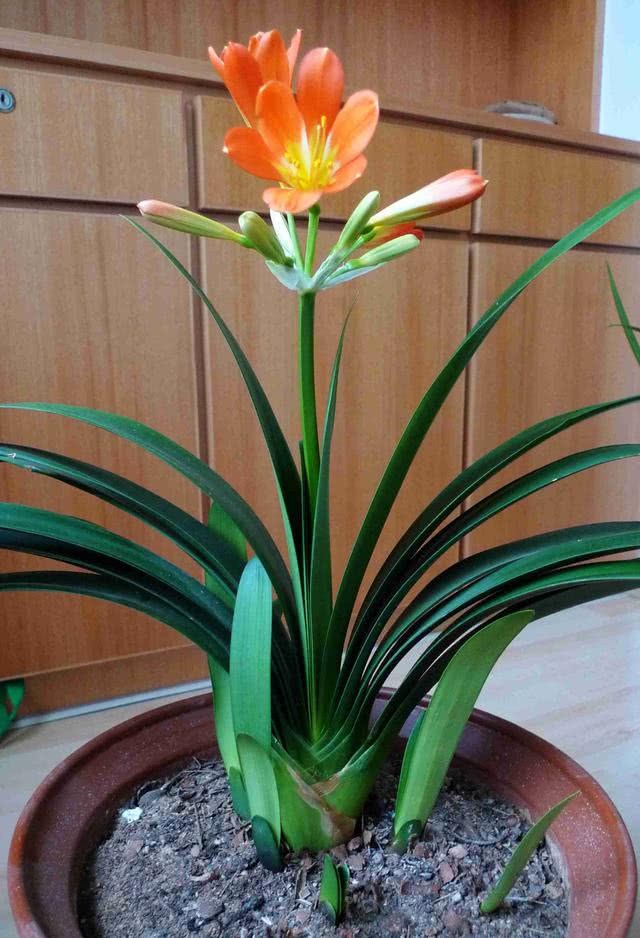
This year's summer dog days are almost here, and this period is when Clivia has the highest death rate from root rot. Some flower lovers' Clivias have even started to show yellow leaves, and their roots are already having problems! Clivia with yellow leaves and root rot in summer? If you still do this, every plant you keep will die! Stop right now!
First, let's understand the habits of Clivia. To grow any flower or plant well, you need to have a general understanding of its habits, otherwise you won't even know how you killed it!
Clivia is native to the tropical regions of southern Africa, growing beneath trees, so it fears both heat and cold, likes semi-shaded and humid environments, and fears strong direct sunlight. The best temperature for growth is between 18-28°C; below 10°C and above 30°C, growth is inhibited.
Clivia likes ventilated environments, prefers deep, fertile, loose soil, and is suitable for growing in loose, fertile, slightly acidic organic soil.
After understanding the habits of Clivia above, do beginner friends already have some idea? You already have a general sense of how to grow it. The reasons Clivia turns yellow, rots at the roots, and dies in summer are actually caused by not understanding its habits.
In the previous article we said that Clivia enters a dormant state during summer high temperatures (when the temperature exceeds 28°C). At this time it is especially fragile, and its resistance drops. If you still care for it as usual at this time, Clivia will die quickly! Keep one pot and it turns yellow, keep one pot and it dies!
How should you correctly grow it in summer?
1. Do not water during consecutive rainy days in summer
Although summer temperatures are high, humidity is also very high, especially during consecutive rainy days, when moisture dissipates very slowly! At this time, absolutely do not water Clivia. Even if you do not water, you must be careful with care and place it in a ventilated spot, otherwise root rot is most likely to occur at this time. More than half of Clivias develop yellow leaves and root rot at this time. This is a reminder from a flower shop owner to Clivia lovers!
In addition, daily watering also requires special attention. During this period its roots are really fragile. A little more water and it cannot breathe, and if it is unhappy it will show you root rot. It is recommended to water 1-2 times a month, which is the safest.
2. Avoid applying concentrated fertilizer
Because the room temperature is too high and has already reached a temperature unsuitable for its growth, if you still give it concentrated fertilizer, unfermented rice water, and so on, you are undoubtedly pushing it to the edge of death. Why say this?
Flower lovers should know that after concentrated fertilizer or unfermented organic fertilizer is applied to the potting soil, it reacts with the soil, and at this time a large amount of energy is produced, raising the soil temperature, burning the roots. How could root rot and yellow leaves not happen?
Therefore, summer fertilization should use well-fermented organic fertilizer, in appropriate amounts and moderately, with thin fertilizer applied frequently.
If you still do the above things in summer, then just wait for your Clivia to be killed by your care!
If you made the above "mistakes" and the leaves have turned yellow and the roots have rotted, is there still hope? The answer is yes!
Immediately stop watering and fertilizing, take the Clivia out of the pot, rinse the soil off the roots with a gentle stream of water, promptly remove all rotten and blackened roots, disinfect with carbendazim or soak in potassium permanganate solution for disinfection. Either is fine. Disinfect for 20 minutes, take it out and place it in a ventilated, cool place to dry off the moisture, and then it can be replanted.
But note, if it was caused by concentrated fertilizer, it is best to replace the potting soil, or use the soaking method to soak the pot several times to dilute the concentrated fertilizer, then place the potting soil in the sun to dry thoroughly before use.
No matter what cause led to the yellow leaves and root rot, the potting soil after removing the plant must be disinfected and sterilized before use. This avoids causing root disease again after replanting. Because the temperature is relatively high, after removing from the pot and replanting, be sure to place the Clivia in a ventilated, cool place to let it get through the 1-month "recovery period." During this period, do not water. Remember this! After one month, it can enter the normal care stage.
Thank you for reading.
Hope you like it!