What to do when pothos stems and leaves turn black and rot? Handle it this way and you'll easily get a new potted plant
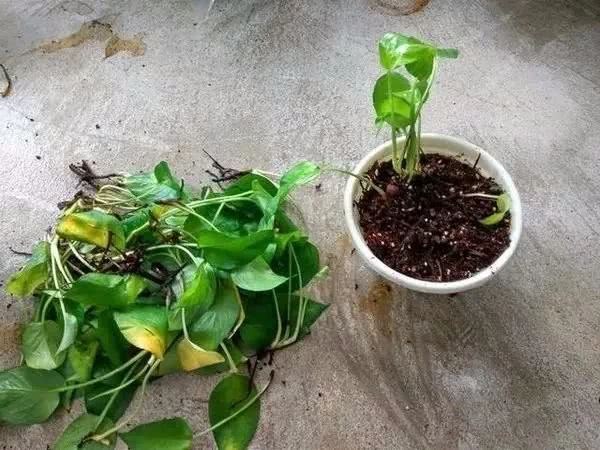
When caring for pothos, if you notice the base of the stem turning black and the leaves also gradually turning black, some friends assume the pothos can't be saved and throw it away. What would you do?
When pothos stems and leaves turn black, it's usually because of watering too frequently. When the soil stays waterlogged for a long time, the roots can't breathe normally, which ultimately causes root and stem rot, and in severe cases even the leaves keep turning black. Of course, some cases are caused by cold damage from temperatures that are too low. Pothos is a tropical foliage plant, and the minimum care temperature should stay above 5°C. When temperatures are too low, the stems and leaves are also prone to cold damage.
Once you notice the base of the pothos stem turning black, be sure to pull it up promptly and throw the old soil away directly, because that soil contains fungal diseases. Next, deal with the rotten roots of the pothos. If the stems and leaves have turned black, cut them off promptly as well.
After cutting off all the blackened parts, soak them in a sterilizing solution. You can use a carbendazim solution or a potassium permanganate solution and soak for 5-10 minutes, and only then can they be replanted.
The remaining healthy stems and leaves can be re-cuttings inserted into soil, or you can choose to root them in water. The leaves at the bottom should be removed to avoid the leaves soaking in water or being buried in the soil.
Replant using new potting soil and a new flower pot. The old flower pot must be sterilized and disinfected before use, otherwise it can easily cause a second infection.
The re-cuttings pothos pot should be kept in a ventilated environment with bright light or weak scattered light. Avoid keeping it in strong sunlight or full sun exposure, otherwise it will easily wilt, and in severe cases it can dry up.
After that, keep the soil moist, but not overly wet. In addition, mist regularly with water to maintain a certain air humidity. Another key point is to pay attention to ventilation and avoid keeping it in a stuffy, hot space, otherwise it can also easily trigger fungal diseases.
When caring for pothos in summer, avoid placing it directly at the air conditioner's air outlet, otherwise the stems and leaves will easily wilt.
When summer temperatures are high, pothos consumes a relatively large amount of water, so replenish water regularly. Just avoid water accumulating in the pot soil or saucer. Also clean the leaves regularly to avoid too much dust accumulating on the leaves, which affects photosynthesis.
Keeping pothos alive isn't difficult. Some friends worry that pothos will freeze to death in winter, so once the temperature drops below 10°C, move it indoors to a warm place for care. The minimum temperature should preferably stay above 7°C. If cold damage occurs, be sure to cut off the cold-damaged parts directly, then move it to a place with a temperature above 10°C, but do not place it next to heating that is too hot, otherwise the stems and leaves will easily rot.
If you notice yellow spots on pothos leaves, it's very likely a fungal disease infection. Besides pruning the diseased leaves, also spray fungicide regularly. You can spray chlorothalonil or thiophanate-methyl, once every 5 days. Spray about 3 times in a row and it can be completely eliminated. If you only cut off the leaves without spraying, it can easily cause a second infection.