Growing Fruit on the Balcony: Build Your Own Little Orchard
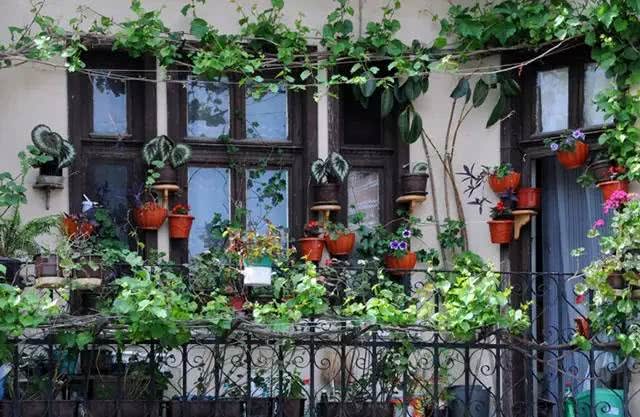
When it comes to growing fruit, the first thing that comes to mind is the Mountain of Flowers and Fruit or the Peach Garden of Immortality - in short, big spaces, rich soil, and beautiful scenery, with especially high demands on climate and soil. But actually, don't throw away the pits left over from eating fruit - even a small potted plant can grow a "orchard"!
Only, compared with growing vegetables and flowers, growing fruit requires much more patience! Turning your balcony into a dazzling orchard that makes anyone who sees it drool - are you ready?
Strawberry
Grow beautiful fruit in half a year
Exciting stage: fruit set and harvest period
Beginner-friendliness: ★★★★★
Ideal temperature: 20-30°C
Beginner level · Seed starter pot
Strawberries are one of the fruits girls love most! Before eating a strawberry, pick the seeds off the surface with a toothpick.
Choose healthy seeds, scatter them on the surface of the potting soil, and cover with a thin layer of fine soil. Water thoroughly, then cover the pot with a layer of wet newspaper and place it in a sunny spot. After about 2-3 weeks, you'll see sprouts, and after two months, lush green leaves will have grown.
Next level · Potted mini orchard
Strawberries bear fruit faster than any other fruit - 3-4 months after sowing the seeds, they can bloom and set fruit.
During the growing season, strawberries need plenty of fertilizer, and the soil should be watered until water flows out from the bottom of the pot. Promptly remove dead leaves, axillary buds and runners, keeping 5-6 leaves. In northern winters, provide insulation or place them in a sheltered spot. Be careful that the fruit doesn't touch the soil.
Pomegranate
A fruit-bearing "hanging fuchsia"
Exciting stage: flowering period
Beginner-friendliness: ★★★★
Ideal temperature: 15-20°C
Beginner level · Seed starter pot
After eating a pomegranate, soak the seeds in clean water, keeping the ones that sink to the bottom.
Soak for 6-10 days, changing the water once a day, until the water becomes clear, then take them out to plant.
After moistening the potting soil, evenly sow the pomegranate seeds on the soil, spread a layer of fine soil, then sprinkle with water so the seeds are fully moistened.
Mist once a day, and in about three weeks they'll sprout. After thirty days, they can be transplanted into a larger pot.
Pomegranate flowers look quite a bit like fuchsias!
Next level · Potted mini orchard
If grown well, a pomegranate can bear fruit in 1-2 years. But just as young men and women shouldn't fall in love too early, blooming and fruiting too soon is bad for the tree's growth. To grow healthy, delicious large pomegranates, remove the flower buds in the first few years to build up the tree's vigor, then keep 5-7 after 4-5 years, increasing year by year.
Pomegranate flowers are divided into fruiting flowers and non-fruiting flowers. They bloom 2-3 times a year. For the first flowering, keep 3-5 fruiting flowers and remove 1/2 of the non-fruiting flowers; for the second, if the first fruiting flowers were insufficient, keep a few; for the third, keep no fruiting flowers. After that, the number of fruits can be increased year by year.
Avocado
A fruit-bearing "money tree"
Exciting stage: rooting and sprouting period
Beginner-friendliness: ★★★
Ideal temperature: 25-35°C
Beginner level · Seed starter pot
Wash the flesh off the pit, then insert 3-5 toothpicks shallowly around its sides. Rest the "tortured" avocado pit on a transparent container, with water covering the bottom of the pit.
Change the water daily. After 2-3 weeks, you'll see the avocado pit split open, grow white roots, and send out new shoots.
Once the new shoot points upward, it can be transplanted into a pot. Water only after the soil dries out - don't be too eager.
Avocado seedlings and money trees - hard to tell apart!
Next level · Potted mini orchard
To eat avocados you've grown yourself, you need to plant two trees, because the pistils and stamens mature at different times, and cross-pollination between different plants gives a higher fruit-set rate.
Apply complete fertilizers containing nitrogen, phosphorus and potassium to avocados. Although avocados love the sun, the soil shouldn't be too dry either.
Grown from seed, they generally bloom and fruit in 4-6 years. In southern China, they bloom in March, and the fruit ripens from August to September.
Dragon Fruit
A fruit-bearing "cactus"
Exciting stage: sprouting and growing period
Beginner-friendliness: ★★★
Ideal temperature: 25-35°C
Beginner level · Seed starter pot
Soak dragon fruit flesh in water, mash it, then rinse and strain it through a filter cloth and sieve to separate the flesh from the seeds. Then dry the seeds in the sun.
Spread gravel in a container without drainage holes, add soil, scatter the dried seeds, and mist gently with water (do not pour water directly).
Cover with plastic wrap, and remember to lift the wrap every other day and spray with water from a spray bottle.
After 3-5 days the seeds sprout, and you can remove the plastic wrap. After a few more days, they'll turn as green and translucent as jade.
After a few more weeks, the seedlings will become a spiky "cactus" - placed by a desk, it's very pleasing to the eye!
Next level · Potted mini orchard
Like the avocado, dragon fruit is cross-pollinated. To bear fruit, you need to plant more than two, and it generally takes 3-4 years to fruit.
To eat dragon fruit you've grown yourself, you need a really big pot - a diameter of 35cm and a pot height of over 30cm is best.
In northern winters, it needs to be placed in a greenhouse, with a few hours of sunlight guaranteed every day. Water again after the surface soil dries, and remember to apply light fertilizer frequently.
From seed to fruit takes a fairly long time, which for you also means more challenges and tests. If you want results faster, you can also just buy fruit seedlings to plant.