Aloe leaf cuttings propagation has its tricks, one leaf is enough to grow a pot
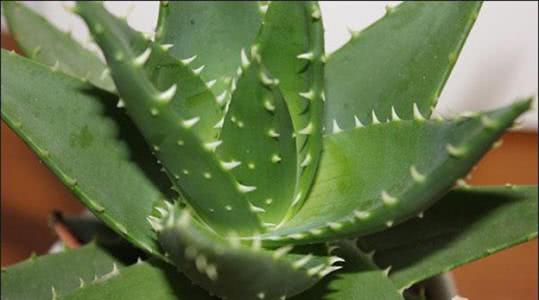
Aloe has been very popular among flower lovers in recent years. It not only has high ornamental value, but also has functions such as beauty care and keeping mosquitoes away.
Aloe propagation is divided into two types: first, division propagation, second, cutting propagation. Division propagation is relatively simple; you just need to separate the young plants from the mother plant and plant them separately to form independently growing potted plants. Cutting propagation, compared with division propagation, is somewhat more difficult. Many flower lovers have tried cuttings on aloe and found it very hard to root.
Today Hua'er will introduce a few small tips for cuttings; once you master them, one leaf is one pot of aloe.
Aloe cuttings are mainly divided into stem cuttings, root cuttings and leaf cuttings, and leaf cuttings are relatively hard to root, and are also the method flower lovers often use, so Hua'er will introduce the hard-to-root leaf cuttings.
Specific operation: prepare a flower pot for cuttings, pour in garden soil, during the growing season, use a sterilized small knife to cut off healthy leaves; the cut leaves should be disinfected once more, then left in a cool place to dry; before cutting, apply a little rooting agent to the wound, insert directly into the soil, with the depth just enough that it does not fall over.
After cutting, water thoroughly once, and place it in a cool, bright place. Its optimal rooting temperature is 25°C-28°C, so it is best to give it a simple simulated greenhouse; at night you can wrap it completely outside with a plastic bag, which can keep it warm and moist, and in the daytime open the mouth to let it breathe and speed up metabolism, promoting rooting.
With this care for about a month, big white roots will grow; when you see new tender shoots grow out 3-5cm, you can transplant it into a flower pot.
That is all for aloe cuttings. If flower lovers have other additions, you can share them with everyone in the comment section below. If you want more flower-growing knowledge, you can follow Huajianke!