Practical home gardening tips are here, with a comprehensive introduction to gardening knowledge
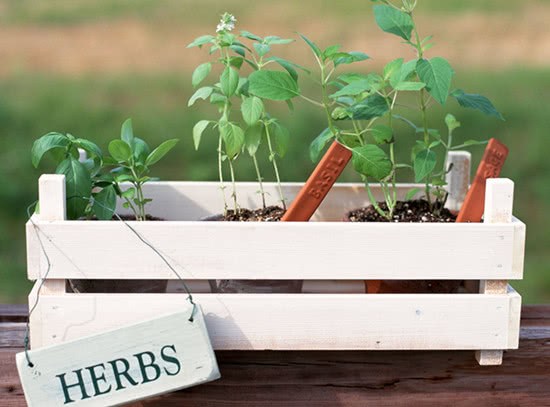
Gardening, that is, garden cultivation, the cultivation, propagation techniques and production and management methods of fruit trees, vegetables and ornamental plants. It can accordingly be divided into fruit tree gardening, vegetable gardening and ornamental gardening. The term gardening originally referred to plant cultivation carried out within gardens protected by fences. Although modern gardening has long broken through this limitation, it is still a more intensive cultivation and management method than the growing of other crops. The gardening industry is a component of the crop farming sector within agriculture. Gardening production is of great significance for enriching human nutrition and for beautifying and transforming the human living environment.
Types of horticultural crops:
1. Fruit trees
Fruit trees are perennial plants, and mainly woody plants, that provide edible fruit, including deciduous fruit trees, evergreen fruit trees, vine and shrub fruit trees, and a small portion of perennial herbaceous plants.
2. Vegetables
Vegetables are mainly annual and biennial herbaceous plants, and their use is not limited to the fruit; the roots, stems, leaves and flowers and other parts can also be used, and thus they can also be divided into fruit vegetables, root vegetables, stem vegetables, leafy vegetables and flower vegetables, etc.; in addition, they also include a small portion of perennial herbaceous and woody vegetables as well as fungi and algae plants.
3. Ornamental plants
Ornamental plants include annual and biennial, perennial herbaceous or bulbous flowers, as well as flowering trees and shrubs such as shrubs and trees, and can provide people with enjoyment of beauty and be used to prevent pollution and improve the environment.
Forms of gardening
1. Flower growing
Flowers are a symbol of happiness, beauty, good fortune and friendship, the essence of nature, and messengers that beautify people's lives. In both ancient and modern times, in China and abroad, garden architecture, room decoration, historical books and poetry and painting are all invariably linked with flowers. Because potted flowers are easy to move and convenient to manage, they are more suitable for home growing. There are many kinds of flowers, and how to choose flowers suitable for oneself to grow is a question that should be considered at the very beginning of growing flowers. When choosing, the most important thing is to be clear about your own preferences, and you can also choose flowers according to your health needs; for example, geranium flowers have the effect of calming, eliminating fatigue and promoting sleep, and placing two pots of geranium flowers in the bedroom can eliminate insomnia; jasmine fragrance can regulate qi and relieve depression, making one feel relaxed and cheerful; the delicate fragrance of lotus and rose can prevent the onset of coronary heart disease; the fragrance of gardenia can clear the liver and benefit the gallbladder, and prevent and treat hepatitis and cholecystitis, etc.
2. Flower arranging
Flower arranging is an art with considerable depth, not only pleasing to the eye, beautifying the home environment and enriching daily life, but also soothing the spirit and nurturing the character, uplifting the mood and giving people a sense of joy and warmth. The art of flower arranging originates from nature and rises above nature, integrating nature, art, literature, history and thoughts and tastes into one, and is increasingly becoming a professional skill symbolizing civilization and lifestyle fashion. Home flower arranging can be divided by placement into living room flower arranging and bedroom flower arranging. Living room flower arranging is warm and harmonious, requiring bright colors and fullness and richness. Bedroom flower arranging most avoids overly bright colors, and is mainly in light colors, with emphasis on embodying the three words light, simple and elegant. It is even better if fragrant materials are chosen. In addition, flower arranging emphasizes mood and feeling, and a fitting, subtle and novel name will also play the role of the finishing touch in the whole flower arranging process.
3. Bonsai making
Bonsai is a living, vivid artwork, and as the artistic seasons change, it displays the simple and wonderful charm of nature, thereby arousing people's elegant interest in writing poetry and painting and giving rise to feelings of beautiful fantasy, making people suddenly feel the power of life originating from nature. Only by stressing basic skills in bonsai making can one pursue the endless variations of the way of flowers; only by discussing the purpose and use of the entire modeling design, mastering the atmosphere and creating in coordination with the environment, and achieving the design goal through its connotation and charm, so that the flowers and trees are placed according to local conditions and the flower materials and containers are integrated into the theme, can it be considered a perfect work.
Gardening design guide
1. Clarify the garden's use function
At the beginning of design, there should be a clear positioning of the garden's function, whether it is a sanctuary for wild animals or a garden full of vegetables. If you hope the garden has multiple functions, then first determine its most important function, and then carry out the design.
2. Satisfy the garden's sensory needs
When creating the landscape, pay attention to matching the most harmonious colors to satisfy the visual sense; choose fragrant plants to satisfy the sense of smell; the garden has crisp bird songs, the murmuring sound of water accompanied by children's laughter, to satisfy the sense of hearing; soft, smooth and hard walking paths, and fences of various materials, satisfy our sense of touch.
3. Position the garden design style
Should visitors appreciate a neatly planned garden? Or a garden with an Oriental mysterious atmosphere? Is it densely shaded, or open and spacious? List on paper everything you can think of, and pick the one you like best.
4. Carry out garden plant selection
Plants are very important for forming the characteristics of a garden. There are so many varieties of perennial, dwarf and edible plants to choose from, so pay attention to reasonable matching, take into account climatic conditions, planting area and budget, and after professional planting and arrangement by gardeners, your garden will be a charming scene.
5. Carefully choose garden ornaments
Decorative accessories are the place that best reflects the characteristics of a garden, and often a small garden ornament can play the role of the finishing touch. Commonly used garden ornaments include pottery jars, pottery art, beautiful vases and flower pots, and carefully arranged agate stones, etc.