Medication for Interstitial Lung Disease: Beware of Reverse Pulmonary Fibrosis
Interstitial lung disease is like a crossroads: accurate medication can halt or reverse the condition, keeping most lung tissue in a normal state; otherwise, it accelerates the fibrosis process in lung tissue. Because when interstitial pneumonia and other interstitial lung diseases occur, tiny areas or a portion of lung tissue have often already developed pulmonary fibrosis, and interstitial lung disease itself is pulmonary fibrosis in progress, so it is a critical moment.
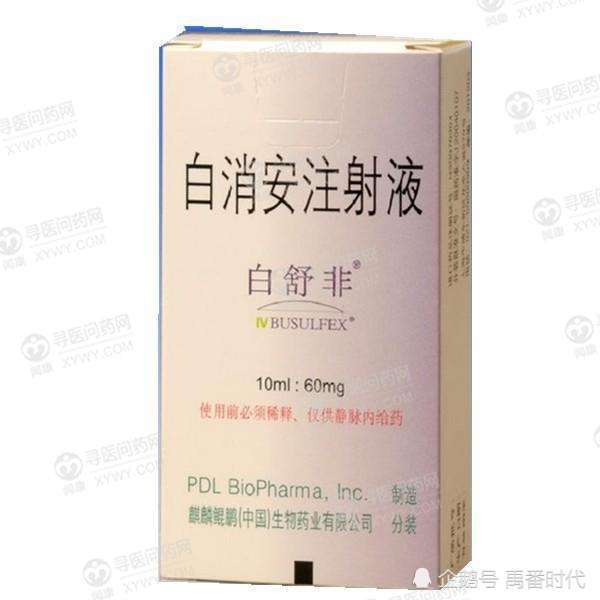
Busulfan
Once you understand the importance of this critical moment in treating interstitial lung disease, then the medication, methods and approaches for treatment should be handled with great caution. Not only should the four diagnostic methods of observation, auscultation, inquiry and pulse-taking be integrated in the present moment, but a detailed and thorough understanding of the patient's medical history regarding both Chinese and Western medicine use should also be obtained. This includes understanding and analyzing oral, inhaled, injectable and intravenous medications from the primary respiratory disease, and correctly assessing past disease treatments.
Generally speaking, if new symptoms appear after medication, or if Western medical examinations reveal new conditions involving "side effect" reactions, these indicate inaccurate medication, or improper intervals between doses, with drug reactions causing the illness. For example, among alkylating agents, busulfan, carmustine, cyclophosphamide and others can easily accelerate the development of pulmonary fibrosis when used improperly. Carmustine can be used for the treatment of interstitial lung disease, but must not be used in large doses. Early use of high-dose carmustine can cause acute lung injury, and late use of high doses can accelerate the development of pulmonary fibrosis.
Cyclophosphamide
Busulfan is one of the drugs most likely to trigger the progression of interstitial pneumonia to pulmonary fibrosis. Once this tendency appears, it indicates that the patient and the interstitial pneumonia condition have a severe adverse reaction to busulfan, and the drug must be stopped immediately. Cyclophosphamide is used to treat alveolar damage and interstitial pneumonia, and may cause pulmonary fibrosis, but the probability is less than one percent. It also easily causes reactions such as dry cough, progressive dyspnea and fever during use.
If you have questions or need help, please call 01062170649 13269852331