Detailed Guide to Nobilis Sterculia Cultivation Techniques: From Planting to Management Key Points
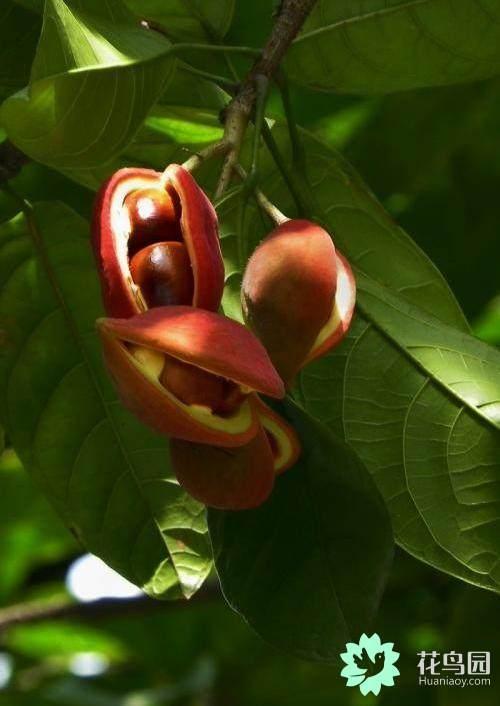
Because the number of nobilis sterculia plants cultivated is indeed relatively small, and most of the nobilis sterculia fruits produced are not used for market sales, nobilis sterculia is a fruit that many people are not very familiar with, but the benefits that nobilis sterculia can bring us are very many. It is believed that with the promotion of nobilis sterculia and the increase in cultivation, the opportunities for nobilis sterculia to appear on the market will gradually increase.
1. Sowing
When the nobilis sterculia fruit ripens and splits open, it can be harvested together with the fruit, and the seeds can be peeled out. They should not be exposed to sunlight or dehydrated. They should be sown immediately after harvest. The sand bed should not be too wet, so as to avoid affecting the germination rate. The seeds can be sterilized with thiophanate-methyl or sterilizing agents, and sown by the strip-dibbling method. They will germinate in 1 week. During the initial germination stage, when the seeds have just sprouted, they should be moved into nutrient bags, which can increase the survival rate of transplanting and reduce management work.
2. Cuttage
Because the branches of nobilis sterculia root easily, cuttage is mostly used for propagation. It is simple and easy to operate, and growth is rapid. In spring and autumn, semi-lignified branches of the current year, or lignified branches of two or three years, or even old branches can be cut and rooted. Cuttage branches are cut to about 1.2-1.5 m in length, and inserted into the soil about 0.3 m; when materials are scarce, they can also be cut into 20-30 cm. As long as the humidity of the air and soil is maintained well, roots can develop in about 1 month.
3. Root Sucker Seedlings
The root system of nobilis sterculia is relatively developed and has strong regenerative ability. The root system often exposed on the ground can sprout root sucker seedlings, which can be dug out and planted, and this is also very simple and convenient.
4. Field Planting
Spring is suitable. A plant spacing of 4 m x 5 m is more appropriate, with 33 plants per mu. The digging hole size is 80 cm x 80 cm x 60 cm. Organic fertilizer is mainly used, combined with a small amount of chemical fertilizer, and base fertilizer is applied to promote early growth and rapid development of the seedlings and early production.
5. Fertilization
Young trees are generally fertilized 4-6 times a year, once every 2-3 months, with either organic fertilizer or chemical fertilizer. Adult fruiting trees need more nutrients. To prevent tree vigor decline, fertilize more than 2 times a year. That is, apply once in late winter and early spring, mainly organic fertilizer, applying 20-30 kg of organic manure per plant. The second time is after fruit harvest in August-September, applying post-fruit fertilizer once. Mainly chemical fertilizer, applying 0.5-1 kg per plant, scattered within the root zone of the plant.
6. Flowering Period Management
According to its growth habits, nobilis sterculia trees are tolerant of waterlogging but not drought, and require appropriate soil moisture and atmospheric humidity during the flowering and young fruit stages, commonly known as "sunny days for mango, rainy days for nobilis sterculia." Therefore, during the flowering period, if drought weather occurs, water should be sprayed on the tree canopy. Increasing air humidity helps flowering and fruit setting.
7. Pruning and Shaping
If the tree grows vigorously but flowers and fruits little, proper pruning and shaping must be carried out to facilitate ventilation and light penetration inside the canopy, which can reduce psyllids and the sooty mold disease caused by them, and also helps flowering and fruit setting. That is, after fruit harvest, thin out some dense branches, weak branches, and diseased or dead branches. The main trunk branches at the top of the tree should also be controlled. It is also possible to scar the branches and trunk in summer and autumn to promote spring flowering.
8. Harvesting
It fruits 3-4 years after field planting, reaches full fruit-bearing age at 15 years, and yield tends to stabilize. A 30-year-old plant produces 125 kg of fruit. The main crop blooms from March to May, and the fruit ripens from July to September. The secondary crop blooms from August to October, and the fruit begins to ripen in mid-December. When harvesting, it is advisable to use a bamboo pole with an iron hook to hook down the dark red pods hanging on the branches to the ground, then collect and sun-dry them. After several days of turning and drying, they become the commodity nobilis sterculia kernels.