Poor light at home? Shade-tolerant plants can still grow into a full, lush pot
Poor light at home and a north-facing balcony are a real headache for many friends who love growing flowers. For most flowers and plants, poor light affects their growth.
In fact, even if your home gets less light than other people's, we can still grow flowers well, and they can easily fill out a pot.
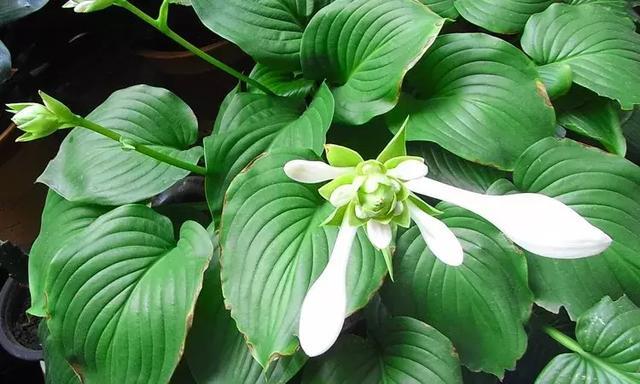
Today the editor recommends a flower that is very suitable for growing in shady spots - the hosta. It is hardier and easier to grow than ordinary shade plants. Grow a few pots of them, and when they fill out, you will have a circle of friends turning green with envy.
Growing environment
The hosta is a plant that loves shade. It offers both attractive foliage and flowers, and is very suitable for planting in the open ground or in pots on a balcony. When growing hostas, avoid direct sunlight and place them in a shaded spot, which is most suitable.
For hostas planted in the ground in a yard, also take care to plant them where they get very little light, especially in summer. When summer temperatures are very high, frequently spray water mist on the leaves and around them to lower the temperature.
In late autumn and after the start of winter, when temperatures drop, if conditions allow you can let them get some scattered light at the right time. If not, make sure the temperature does not drop below minus zero, so they do not get frostbitten and their later flowering is not affected.
Soil selection
Hostas like well-drained, loose, airy humus soil, and you can mix in a suitable amount of sandy soil. Although they often need watering, make sure water does not accumulate in the pot. For hostas planted in the ground, drain away standing water promptly after heavy rain or a continuous rainy season.
Moderate fertilisation
Hostas do not need much fertiliser to grow. Apply enough base fertiliser before planting. After the plant sends up flower stalks, you can apply some potassium dihydrogen phosphate as appropriate, so the flowers will open very well.
Applying excessive chemical fertiliser will cause the plant's leaves to turn yellow and fall off. So if your hosta starts to develop yellow leaves, the first thing to consider is whether too much fertiliser or water has been applied.
Pest and disease control
The growing environment of hostas makes them very prone to slugs. If these slugs are not dealt with promptly, they can easily eat the hosta leaves. You can scatter some coffee grounds or crushed eggshells around the potting soil, which can effectively suppress slug infestation.
Hosta propagation
Today the editor wants to share a trick: propagating hostas from tubers. Because many flower lovers buy hostas as mature plants, but in fact its tubers can be used for propagation, and the price is much cheaper.
Bury the hosta tubers in the potting soil, water thoroughly, and keep the soil moist. Be careful to avoid strong sunlight. Hosta tubers take root and sprout relatively slowly. Wait until they have taken root, and after the small shoots emerge, just care for them as usual.
Friends whose homes do not get very good light, choose to grow a pot of hostas. It can give you a full sense of achievement, and you will no longer envy other people's pots of flowers blooming in profusion!