Watermelon grafted onto pumpkin, the results are amazing
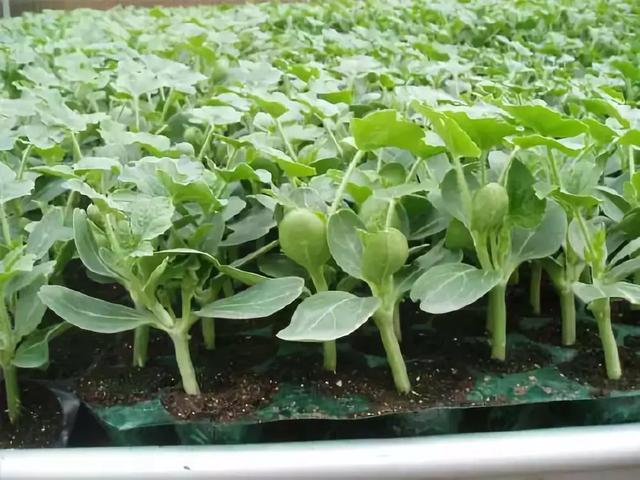
We all know that many fruits can be grafted. Grafted fruits taste better, but most people would never think that watermelon can also be grafted.
Watermelon grafting usually uses gourd as the rootstock, but a netizen used pumpkin as the rootstock for grafting, and the watermelons produced look quite delicious.
Below is how watermelon grafting is done, and it is not just the grafting technique - the care after grafting is also very important.
Splice grafting
Generally speaking, if you want to use the splice grafting method, the rootstock and the scion must be sown at the same time, and gourd is usually used as the rootstock.
After the rootstock germinates, grafting can be done on its 6th to 8th day, and you must be careful not to be too late, otherwise it will affect the survival rate after grafting.
First, use a toothpick about the same thickness as the watermelon seedling to remove the growing point of the rootstock, then whittle one side of the toothpick into a flat point, and insert it diagonally above the growing point of the rootstock seedling.
Cut the watermelon seedling below the cotyledon to be grafted into a wedge shape at an angle, then pull out the toothpick and insert it into that hole, being careful not to go too deep - about one cm is enough.
Approach grafting
When using the approach grafting method, note that the rootstock should be sown 5 days earlier than the watermelon seedlings. After the watermelon seedlings grow, pull them up roots and all, then make a cut with a knife below the leaves of the rootstock, cutting diagonally from top to bottom.
The watermelon seedling should have a cut made below its leaves, cutting diagonally from bottom to top, then fit the two cuts together and wrap them with a plastic bag, or a grafting clip will also do. After that, just plant the watermelon seedling in the rootstock pot.
Care
For grafted seedlings, 20-28 degrees is the most suitable temperature for their growth, and during the day the temperature can only reach a maximum of 28 degrees, while at night the temperature must be kept at a minimum of 20 degrees.
After grafting, keep the potting soil moist; water thoroughly after grafting, keep them completely moist for the first three days, and after three days you can give them ventilation.
The grafted seedlings must not be exposed to light during the first two days; after two days, they can receive weak light, then gradually let them adapt to light, and after a week there is no need to shade them.
Below are watermelons grown by a netizen using pumpkin as the rootstock for grafting:
Image source: Baidu Tieba
They look no different from the watermelons we normally see, but it is hard to say whether they are sweet. Flower enthusiasts who are interested can try grafting them themselves.