Fertilizing methods differ from plant to plant, so stop fertilizing blindly if you want to grow healthy flowers
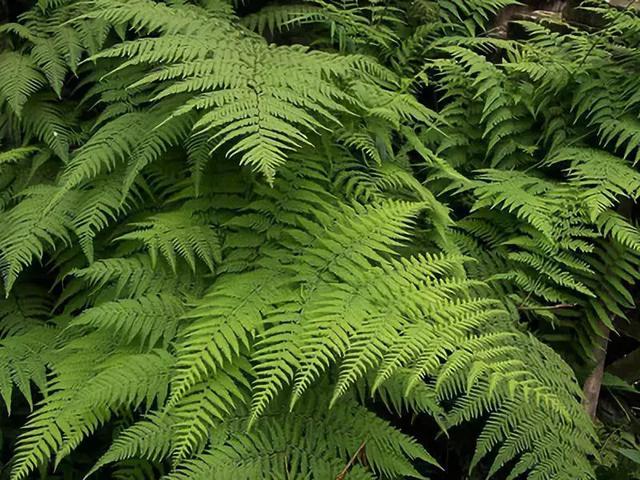
Fertilizing has always been an important issue in growing flowers, and many flower lovers cause root burn because they fertilize too much. So how exactly should you fertilize each kind of flower?
Fibrous-root types
As we all know, fibrous-root plants generally have very thin, small roots. Therefore, when fertilizing, never apply a large amount of fertilizer at one time; use the method of light, frequent feeding.
Bulbous types
Because bulbous plants have relatively few roots, and their roots grow very robustly, bulbous plants generally do not need fertilizing. During their growing period, you can apply some nitrogen fertilizer, and when the flowering period arrives, applying some phosphorus and potassium fertilizer is enough.
Bonsai types
Bonsai plants generally have very low fertilizer requirements. If you feel the soil is lacking nutrients, you can use things like bone meal to improve it.
Foliage types
As we all know, foliage plants have very well-developed root systems, and all their nutrients must be supplied to the leaves, so their fertilizer requirements are great.
You should fertilize them regularly, preferably about once every half a month, and often water them with organic fertilizer.
Flowering types
Because when they bloom, all the nutrients in the plant are used for flowering, so if there are not enough nutrients, it will affect their growth.
You need to fertilize them both before and after flowering. If you want the flowers to bloom more vigorously, you can apply phosphorus and potassium fertilizer, which can promote their flowering.
Growing flowers requires treating each kind of flower according to its needs, and the same goes for fertilizing. Do not fertilize blindly, otherwise you may kill your flowers.