These 4 flowers should be propagated by cuttings in summer; they root in 2 weeks
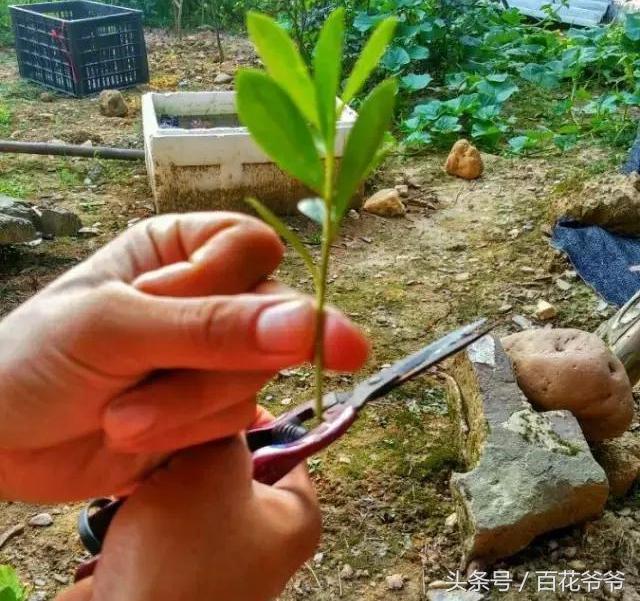
Summer is here, and many gardening enthusiasts are reluctant to take cuttings of their flowers in this season, mainly because they worry that the high temperatures will easily kill them. But in fact, many flowers are truly suited to being propagated by cuttings in this season, rooting quickly. Today, Bai Xiaomei'er will share a few flowers that are suitable for summer cuttings. Gardening enthusiasts who are interested can give it a try.
Azalea
At this time, the azalea's flowering period has just ended, and the post-bloom branches are perfect for cuttings. The high-temperature, high-humidity environment is just right for them to root.
Propagation method:
1. For the wound, choose strong, mature post-bloom branches. Remove 1-2 leaves from the bottom, pinch off the tender buds at the top, and keep the cutting at a length of about 3 cm, then place it in a ventilated, shady spot to let the wound dry
2. Gardeners who want to save effort can directly root them in water. Alternatively, prepare a large flower pot or a container such as a foam box, spread a layer of about 5 cm of coal cinders, then add about 8 cm of nutrient soil. After watering thoroughly, insert the branches 2-3 cm deep
3. After watering thoroughly, cover with a layer of plastic film and place in a shady, ventilated spot. They will root in about 15 days.
PS: If you find it too troublesome, it is recommended to try the water propagation method, as you can see the rooting progress more directly.
Hydrangea
Personally, I think hydrangea is the easiest flower to propagate by cuttings, bar none. It can basically achieve a 100% survival rate. Select strong post-bloom branches and insert them into the soil and they will root. It is not picky about soil at all.
Propagation method:
1. Very important: you must choose strong post-bloom branches, cut them to about 8-10 cm, keep at least 2 buds on each branch, and if possible, leave a few leaves at the top
2. Place in a ventilated, shady spot to let the wound dry
3. If possible, prepare some peat soil for the cuttings. If not, inserting them directly into ordinary garden soil is also fine
4. After inserting the branches into the soil, water thoroughly and place in a shady, ventilated spot, keeping the soil moist. They will root in about 1 month. If planted directly in the ground, water once a day.
Jasmine
This season is exactly the jasmine flowering period. Many gardening enthusiasts report that jasmine is hard to grow and easily dies. Then hurry up: after the flowers fade, take more cuttings yourself and grow a few more pots, and you will never have to worry about them dying again.
Propagation method:
1. It is best to choose strong post-bloom branches, and keep 2 leaves on each cutting
2. Soak the cuttings in a carbendazim solution for 5 minutes, then take them out and place them in a shady, ventilated spot to let the cuts dry
3. Prepare some vermiculite, water thoroughly, and insert the branches
4. Keep the medium moist, and they will root in about one month.
Gardenia
Like jasmine, gardenia propagated by cuttings in summer also roots especially quickly. Gardening enthusiasts who like gardenias might as well keep the branches when pruning after flowering and use them for cuttings.
Propagation method:
1. Choose strong post-bloom branches, prepare them into lengths of about 8 cm, and place them in a ventilated spot to let the cuts dry
2. Personally, I recommend the water propagation method. Just prepare a mineral water bottle, cut open part of the middle, and add water at the bottom
3. Prepare a thin foam board and poke a few small holes in advance with a tool to make sure the cuttings can pass through. After inserting the gardenia branches, place the foam board into the mineral water bottle
4. Then seal the top and bottom of the mineral water bottle with tape, unscrew the bottle cap, and place in a ventilated spot with diffused light. They will root in about one month. If you have rooting powder, you can add a little to the water, and the roots that grow will be more robust.
How about it? Isn't it all especially simple? To sum up, no matter which flower you are propagating by cuttings, choosing the branches is very important. It is best to choose strong post-bloom branches. After taking the cuttings, maintain a high-temperature, high-humidity state, and they will root easily. Before rooting, do not disturb the cuttings. About 1 week after taking the cuttings, you will find that the branches have sprouted new buds. Do not think they have already rooted; this is only a false-alive state. Please wait patiently for a while longer. When you find that the buds have grown true leaves, they have basically begun to root. Be a little patient.