Black pine bonsai tutorial: dig the stump this way for a high survival rate
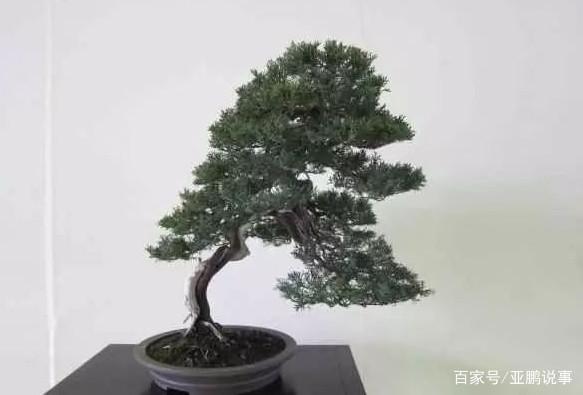
The black pine (Pinus thunbergii) is an excellent bonsai tree species, deeply loved by friends in the bonsai world. Bonsai landscape material is all dug out of the mountains and wilds. Improving the survival rate for bonsai enthusiasts and making use of limited natural resources is the responsibility of every bonsai enthusiast. In the process of exploring the habits of the black pine, I have discovered some patterns that may improve the survival rate of Pinus thunbergii.
First, we should understand the nature of the black pine.
Pinus thunbergii is an oil-containing plant. It does not draw up water easily and has strong water retention. For example, if a piece of paper is placed in water, it will immediately become soaked. If oil-soaked paper is placed in water, it will not easily draw up water and will not get wet. The reason the black pine can grow on cliffs lacking water and stand out with such vitality is that the black pine is an oily plant, its ability to retain water is very strong, and it can survive under difficult conditions.
2. Seasonal requirements for collecting black pine
The digging and collecting of Pinus thunbergii has strict timing requirements. Only when collected at the right time is there a higher survival rate.
1. It can be dug from before the fifteenth to the fifty-first.
2. It can also be dug in the ninth lunar month.
3. If it is a warm winter, it can be dug in December.
4. If it is cold in the first month, it can also be dug after February 20. Newly dug black pines should be kept away from severe cold.
3. Tool requirements
1. The tools for digging black pine are best chosen so that they can dig, cut, and chop, and the edge can be sharpened to prevent the roots from being gouged and left rough.
2. Scissors and saws should be sharp. The main purpose is to ensure the branches are smooth and free of burrs, which helps prevent bacterial invasion.
4. Digging requirements
1. When digging black pine, the thickness of the roots is determined by the diameter of the main trunk. For example, if the main trunk diameter is 10cm to 20cm, then the diameter of the central root must not be less than 0.5 cm.
2. If there is no central root, the lateral roots must not be less than 0.5 cm.
3. The thickness of the cut roots should also be proportional to the size of the soil ball, that is, the larger the main trunk, the larger the soil ball. Of course, it is best not to cut the roots, but if the soil ball is too large to transport, then they wrap the soil ball in woven bags so as not to break up the soil ball.
5. Cultivation requirements for Pinus black pine
1. Before planting, seal all cuts on the roots and trunk with wax to avoid the flow of pine resin.
2. According to the size of the soil ball, the pine of Pinus thunbergii should be secured. If necessary, add fencing to the pot. Until all the balls are sealed.
6. Management after planting
1. Management is the most important part. Starting from the day of planting, sprinkle water on the pine needles once or twice a day.
2. After watering in the afternoon for three days, the soil in the pot must absolutely not be allowed to dry out. Preventing the black pine from dehydrating is the most important thing. A dry pine tree and a wet pine are a living old stump, because the black pine is oily, and a new stump absorbs water with difficulty, so keep the pot soil moist every day until it survives.
7. Timing for shaping the black pine
The new pine tree Pinus thunbergii reaches the eighth lunar month. If the pine needles are dark green and strong, new heads may even appear. But we cannot do this, because the meridian of Pinus is not smooth and mature, since it contains oil and the oil moves slowly. If the growth is good, we can finish it in the second year. If the growth is close, it will be developed after two years.