Succulent leaves dried to parchment? Congratulations, you've grown a succulent old stump
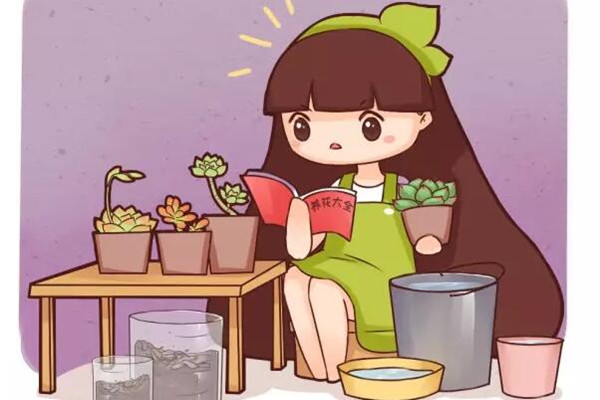
Succulent leaves withering - good or bad?
Once summer arrives and the weather gets hot, whether they're dormant or not, succulents will show the following: the old leaves at the bottom suddenly dehydrate and dry up, looking like they're about to give up the ghost
Actually this is a normal aging phenomenon. Summer temperatures are high, moisture evaporates quickly, so naturally more leaves age. Although there's no need to worry, pay attention to the following points:
1. Remove old leaves only after they are completely dried out
After the leaf is completely shriveled, the joint on the main stem will heal automatically. Removing it won't create a wound, avoiding bacterial growth or infection
2. Don't let removed old leaves accumulate in the pot
Don't think the leaves can stay in the pot as fertilizer. Summer temperatures are high, and rotting leaves easily breed bacteria and attract mosquitoes and insects, which then infect your succulents - not worth the loss
3. Control water appropriately
The aging process is also the growing process of an old stump. Right after removing old leaves, don't water first. When you see the potting soil is dry, wait one more day before watering, letting the new stump stabilize
Some growers' succulents have other problems alongside the drying leaves. Let me explain in detail here
Leaves wrinkling
If the bottom leaves are aging and the upper leaves are also somewhat wrinkled and not fresh, then it's lack of water
Remove old leaves, choose watering time
Remove the old leaves that have already dried to parchment. If they haven't dried to parchment yet, don't remove them. Choose early morning (before 9 o'clock) or evening (after 8 o'clock) to water, avoiding shocking the succulent
Leaves turning pale, slightly wilted
The lower old leaves are shriveling, but the upper leaves are fading in color and showing a slightly liquefied, translucent trend. This is because the weather is too hot, and the water given exceeds what the fleshies can handle
Control water promptly, place in a ventilated spot
At this point, stop watering. Quickly move it to a well-ventilated place, letting the moisture in the pot dissipate in time to avoid root rot
Leaves translucent and blackening, falling off at a touch
This situation is more serious. If the leaves have already become translucent and fall off at a finger's touch, then they have already turned to water
1. Mild water-turning: place in a ventilated spot and control water
If only a few old leaves have turned to water and the stump is still fine, remove the bad leaves and quickly move the rest to a ventilated, dry location (remember to shade it)
2. Moderate water-turning: dig it out for emergency rescue
If even the main stem has started turning to water, quickly dig it out roots and all. Keep the good parts, clean off all the rotten parts, and re-cuttings the remaining parts to root
Summer temperatures are high, so cutting success rates are low, but it's still doable. Be sure to maintain ventilation, avoid direct sun, keep the potting soil moist, and discard any leaves that go bad to avoid infecting other leaves
Or use water propagation for rooting: mix rooting powder with water at 1:2000, place in a suitable container, set the succulent at the bottle mouth without touching the water surface, and be sure to place it in a cool, shaded spot
3. Severe water-turning, black rot: declared dead
If the succulent's roots have already rotted and not a single leaf on the whole plant is intact, then there's no saving it
Leaves shriveling, accompanied by flowering
Today's succulents can be really willful. Never mind that succulents only bloom in spring - even in the hottest weather, there are silly "fleshies" that bloom out of season!
If it's spring, succulents are in their growing period, so blooming is no big deal - at most it uses up some nutrients, which can be replenished later with more absorption. Fine, I'll let you bloom
But now it's already early summer, and seeing ones that seem to have entered dormancy still blooming fearlessly - I'm really speechless
Cut off the flower heads, control water
Don't hesitate anymore. Surviving summer and staying alive is more important, so cut them off quickly. After cutting off the flower stalks, control water first. Once the potting soil is dry, wait one more day before watering
Now is the "critical period" for succulents
Life or death
Depends entirely on you, the owner!