What to do when a clivia's flower stalk gets stuck? Find the cause and solve it easily
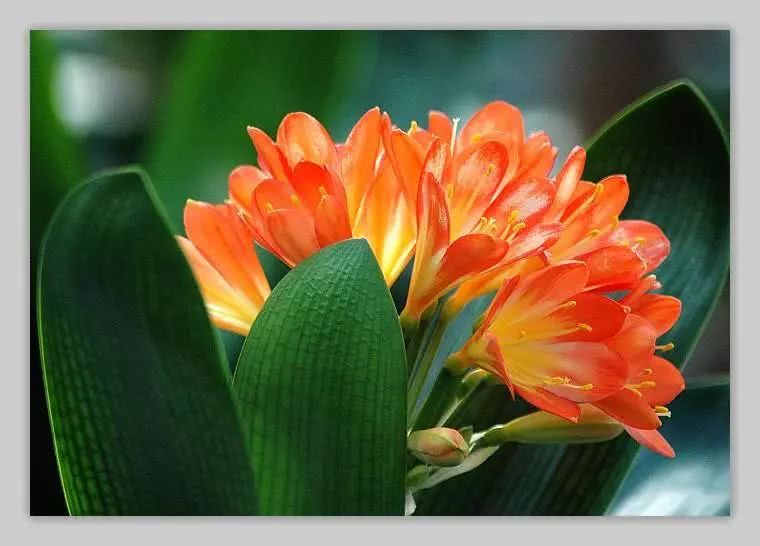
With its dignified and graceful plant shape, neat emerald-green leaves, and elegant, beautiful flowers, clivia has won widespread affection.
The suitable temperature for clivia growth is 15-25°C; when the temperature is above 35°C, the leaves will become leggy, and when the temperature drops below 10°C, growth will be inhibited.
Its requirement for soil moisture is neither dry nor wet, but moderate moisture. Its root system is fleshy, so too much watering leads to poor soil aeration, poor root respiration, and easily causes root rot. Generally, water when the surface of the potting soil turns white and cracks.
Clivia is not strict about light and is an ideal indoor flower. Short-day conditions in winter and spring are more favorable for flowering, and moderate sunlight exposure will make the flower colors more vivid.
Stuck flower stalk:When the clivia's inflorescence has not grown out of the pseudobulb or has not reached a certain height, the small flowers open.
Analyze the causes:
1. Unsuitable temperature: The most suitable temperature for clivia to send up its stalk is around 20°C; if the temperature is below 15°C, the stalk is very difficult to send up. If you notice the pseudobulb bulging and new leaves showing marks of being squeezed by the flower stalk, start paying attention to adjusting the temperature. At this point, you can warm the bottom of the pot, for example by placing it on a radiator padded with bricks, with the temperature not exceeding 30°C. In 7-10 days, the stalk can grow to about 30 cm.
2. Insufficient fertilization: During flower bud differentiation and stalk emergence and flowering, clivia should be given more topdressing and foliar feeding, with reduced nitrogen fertilizer and increased phosphorus and potassium fertilizer, which can promote stalk emergence and flowering.
3. Improper watering: Before and after flower bud differentiation and stalk emergence and flowering, clivia should be watered more heavily; do not let the potting soil dry out completely before watering.
4. Pseudobulb pressure: Fertilizing and watering can both cause the pseudobulb to swell, and excessive pressure makes the stalk difficult to push out. If you notice traces of the stalk path, stop fertilizing within a week, and use a sterilized blade to cut open the leaf sheath clamping the stalk by 1-2 cm to help the flower stalk emerge smoothly.
As long as you manage the temperature, moisture, fertilizer, and pseudobulb well, clivia will bloom on schedule and fully show its charm.
If you also like growing flowers, follow us!