What to do when gardenia leaves turn yellow and buds drop? Grow them in pots like this and they will fill the pot with blooms in a few days
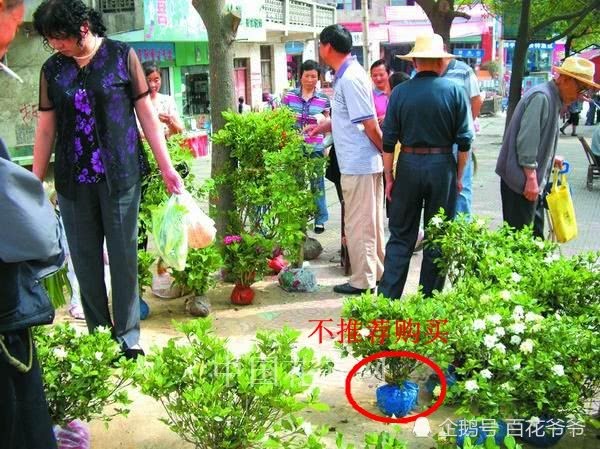
This season, the flower that fellow gardeners love to buy most is probably the gardenia, ranking near the top. It is right in its peak blooming season with a fragrant scent, and the price is quite reasonable. Whether planted in the ground or in pots, it fills the home with fragrance, but many people may find that within a few days of buying a gardenia, yellow leaves and dropped buds start to appear, and the expected pot bursting with blooms never happens. What is going on? Today Bai Xiaomei'er will share with everyone how to better care for gardenias so they easily bloom all over the pot.
How do you better choose a gardenia?
There are two kinds of gardenias that I do not recommend buying. This type generally only ends up dying when you take it home. See if you have fallen for it?
1. Non-seasonal goods from out of town. Gardenias were already on the market as early as a month ago. That kind of gardenia usually has relatively large flowers and rounded leaves. This type is generally from out-of-town greenhouses. When first bought, it looks beautiful, but after taking it home it will last at most a few days before dying, mainly caused by not adapting to the environment and not adapting to the temperature. Not recommended for purchase.
2. Bare-soil gardenias. These days local gardenias are also on the market in large quantities, but the prices actually vary quite a bit. The kind with bare roots wrapped in a lump of mud is also best not to buy. This kind of flower is directly dug up from the ground, grown in garden soil, and is not breathable. After taking it home and repotting it, you will find that the soil is especially unbreathable, and it easily accumulates water and rots the roots, causing yellow leaves and dropped buds.
To sum up, when choosing a gardenia, it is best to buy one grown in its original pot in nutrient soil. Although the price is a bit higher, it is easier to care for. So how should we care for the gardenia we bring home so it grows better?
1. Repot and change the soil after bringing it home. Choosing a breathable, well-draining, slightly acidic soil for planting, such as leaf mold, can help the gardenia grow better.
2. Place it in a spot with plenty of light and good ventilation for care. It can tolerate sun, but when the outdoor temperature reaches above 30°C, provide appropriate shade.
3. It likes soil in a slightly moist state and fears waterlogging. Spray the leaves morning and evening to increase air humidity.
4. If you want a long flowering period, fertilizer must keep up, otherwise it easily blooms small and sparsely. Apply monopotassium phosphate about once every half month, but when the temperature is above 35°C, do not fertilize again.
5. During normal watering, you can dilute fermented rice-washing water and then use it to water, which can make the gardenia bloom better.
6. When slight yellowing of leaves appears, dilute a vinegar solution and spray the leaves and water the roots with it. After using it continuously three times or more, the yellow leaves can be improved.
That is all for sharing about gardenias. Fellow gardeners, you are welcome to leave comments to share and discuss more care experience.