How to grow clivia in summer so the flowers bloom big and vivid? Remember these 5 points
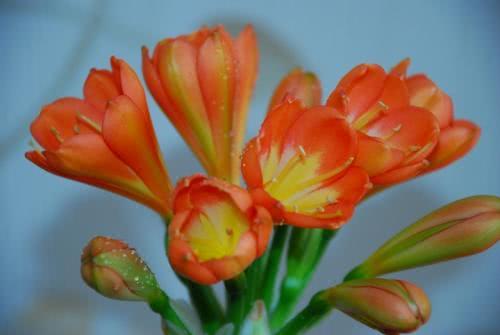
Summer is very hot, with a scorching sun. At this time, to keep clivia growing well and blooming big, it is easier said than done. Today Hua'er will introduce to flower friends the 5 steps to remember when caring for clivia, so it can bloom abundantly in summer.
1. Control light
Clivia does not need much light; a little more or a little less makes little difference. However, to make clivia produce more vivid flowers, it is still best to give it more light, but not direct sunlight, otherwise it will cause yellow spots on the leaves, dry tips, and so on.
Make a shade net or shed for it, with a shading rate of 50%, to reduce light intensity and ensure sufficient scattered light.
2. Control watering
In summer, with high temperatures and dry air, water it in time, otherwise the leaves will scorch, affecting flowering and even causing death. But do not water frequently either, as this causes waterlogging in the pot and root rot. Water once when the soil is half dry. In the morning and evening every day, you can use a finer nozzle spray bottle to gently mist some water onto the leaves to increase leaf humidity. Do not spray too much, otherwise the water will run along the leaves to the crown and cause rot.
3. Control fertilizing
When summer temperatures are high, stop fertilizing, otherwise it will cause root burn. On semi-cloudy or cloudy days, when the temperature is lower, apply some diluted fertilizer specially for clivia, about once every half a month, which helps growth and flowering.
4. Ventilate and cool down
When the temperature is too high, clivia enters semi-dormancy, which affects flowering, so move it to a cool, ventilated place and frequently sprinkle water around it. It is best to also place a basin of water nearby to lower the temperature and raise humidity, which is more conducive to clivia flowering.
5. Prevent pests and diseases
Clivia often suffers from pests and diseases in summer, so prevention is needed. Every ten days, spray the leaves once with 0.1% carbendazim or similar for effective prevention.
If the leaves have been affected, you can treat them with garlic liquid. Peel the garlic and chop it into a paste, add 20-30 parts clean water, stir evenly, and let it sit for half an hour. Then use a writing brush to apply the garlic liquid to the affected parts, once a week, and about 3-4 times will do.
That is all for clivia care. If flower friends have other additions, you can share them with everyone in the comment section below. If you want to learn more about flower growing, you can follow Huajianke!