The banyan tree can create a forest from a single tree - here's the trick, making your home truly one of a kind
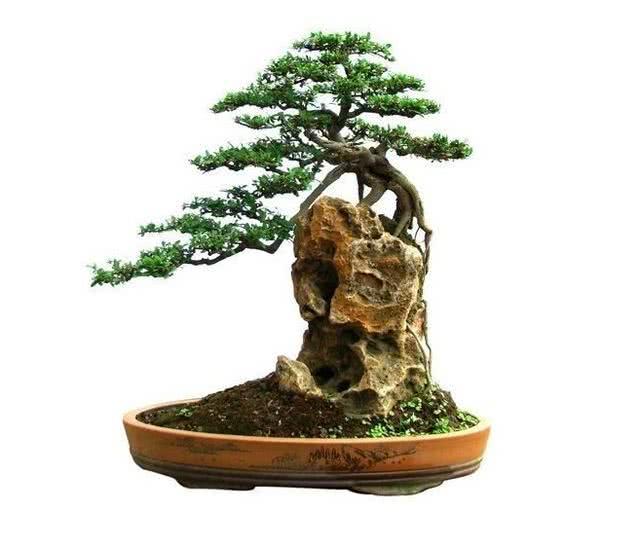
We've all heard the idiom "one tree does not make a forest," but we don't really understand "one tree makes a forest." So what does "one tree makes a forest" refer to? It refers to the growth of the banyan tree. So when we talk about a "one tree makes a forest" bonsai, we mean a banyan bonsai. So next, let's talk about the characteristics of the "one tree makes a forest" bonsai and its crafting techniques.
The banyan tree is relatively tall and thick. It has banyan figs, most of which are broadly ovate, while some smaller ones are ovate. The flowering period is around 5-6 months. The banyan tree has strong adaptability to its environment; like most common plants, it prefers loose, fertile soil, preferably slightly acidic. Of course, when conditions are insufficient, it can also grow in other soils, but its growth will be compromised.
The banyan tree quite likes to stay in a humid environment; a dry environment is not conducive to its growth. To create a humid environment for it, we need to water it frequently and spray some water around it to increase air humidity. One thing that makes it relatively low-maintenance is that short periods of waterlogging won't cause its roots to rot, but if it lasts too long, it will definitely cause its roots to rot. Especially when watering during the plum rain season and the dog days of summer, you must water thoroughly in such weather.
Water and fertilizer go hand in hand. Now that we've talked about watering, we must mention fertilizing. The banyan tree not only likes water but also likes fertilizer. When it enters the normal care and management period, we can fertilize it to a certain extent every day to provide it with sufficient nutrients. But don't over-fertilize either, as it may backfire and harm its growth.
If the banyan tree is to give people the beauty of a single tree forming a forest, necessary pruning is indispensable. Pruning is a very complex and tedious process. If you want a single tree to form a forest, it must be under the condition of proper pruning. If you are careless when pruning, or your hand slips, then you're in trouble - not only will it fail to present a sense of beauty, but you may very likely prune the banyan tree into a damaged state, affecting the growth of the entire banyan tree. During the peak growing season, you can pinch off the growing tips and remove the buds. After autumn arrives, do one major pruning, and then you can leave it alone, because pruning again in winter will hinder its growth. In daily routine management, if you find diseased branches or withered leaves, deal with them promptly to prevent future pest and disease problems.
The banyan tree can be made into a large bonsai or a small bonsai. Large bonsais often give people the feeling of a single tree forming a forest. Planting banyan trees at gateways, on both sides of roads, or in gardens and some public places will make passersby feel delighted.