Azalea cuttings hard to survive? Put a bag over them, and the flowers and leaves will grow vigorously
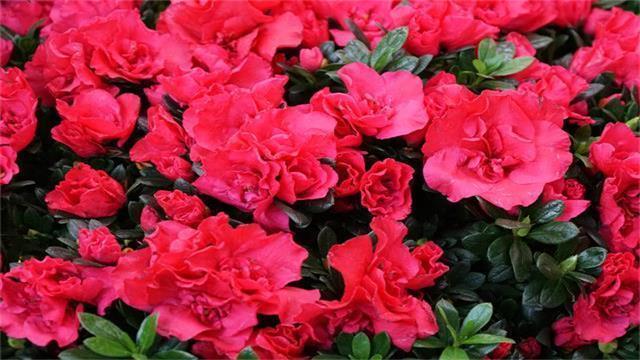
Cuttings propagation: propagating azaleas by cuttings is simple and has a high success rate. Spring and autumn are the best times. Layering propagation: generally, high branches are used for layering. Layering is usually done in April and May. Seed propagation: the vast majority of varieties can be propagated by seed. The seeds mature from October to January each year.
1. Cuttings propagation
This is the method used most often in daily life. Its advantage is that it is simple and has a high success rate. When propagating this way, the cutting pot should ideally be a new pot with a diameter of 20 cm, and a clay pot is preferable. This is because such pots have good air permeability, making roots easier to grow. Spring and autumn are the best times for cuttings; a temperature of around 23°C favors survival. Before taking cuttings, spray the soil in the pot with water one day in advance, but do not make it too wet; the soil should be just moist at the time of cutting. Insert the cuttings to a depth of 3-4 cm. After cuttings are taken, cover the pot with a plastic bag and tie the opening tightly. Open the plastic bag when watering, then tie it tightly again after watering.
2. Layering propagation
① Generally, high branches are used for layering. Layering is often done in April and May. First, take a relatively healthy and vigorous 2-3 year old branch from the mother plant, and use a small knife to cut a ring of bark about 1 cm wide about 10 cm above the upper part of the branch. Then wrap the branch loosely with rectangular plastic film, tie it with string about 2 cm below the cut on the branch, open the upper end of the plastic film into a trumpet shape, and then fill soil in from the upper end.
② If water is lacking, water by spraying water onto the leaves, letting the water run down along the branch and slowly seep into the soil, keeping the soil moist, speeding up the healing of the wound on the branch and allowing it to grow new roots. After 3 months, when the new roots have grown to 3 cm long, it can be separated from the mother plant.
3. Seed propagation
The vast majority of varieties can be propagated by seed. The seeds mature from October to January each year. When the color of the fruit skin changes from green to yellow and finally to brown, the upper part of the fruit will split open, the seeds begin to scatter, and this is the time to collect the seeds. Sowing is generally done in March and April. When sowing in a pot, because the seeds are small, the pot should be washed clean and dried in the sun, and both the pot and the soil should be sterilized.