Grow clivia like this at home: deep roots, lush leaves, many side shoots, and plenty of flowers
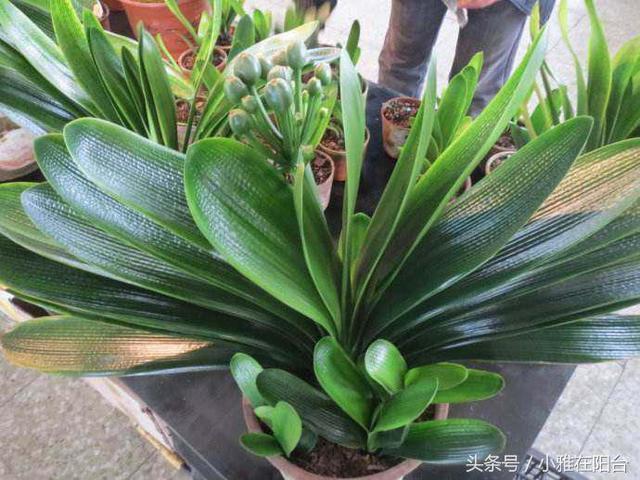
Clivia, also known as large-leaved lycoris, likes cool conditions and dislikes strong light. It is an evergreen perennial herb that is very well suited to growing on balconies and indoors, with thick, emerald-green leaves. It can absorb household dust, harmful gases and dirt, making the air at home fresher, while releasing fresh oxygen.So how do you grow clivia so that it grows healthily and vigorously, with many side shoots and plenty of flowers?
To grow clivia well, you still need to start with temperature, humidity, soil, watering, sunlight, fertilizer and other aspects:
1. Soil is key. The soil must be breathable and well-draining, and the soil quality should be fertile. You can use leaf mold; pine needles; base fertilizer; river sand, in a ratio of 6:2:1:1. Only then will its leaves grow glossy green and bright, flat and especially thick.
2. Growing temperature. In terms of growing conditions, the temperature suitable for clivia growth is 20 degrees. If the temperature is too high, it tends to grow leggy and the leaves are relatively thin.
3. Repot in time. Clivia is best repotted once every two years, in spring or autumn. After taking the clivia out of the pot, trim off some of the damaged roots and old roots, remove the old soil, and replant it. Move it from a small pot to a larger pot, add some base fertilizer to the pot, and when fertilizing, use diluted decomposed organic fertilizer liquid and pour it into the soil along the edge of the pot.
4. There is a little trick for watering: prepare a basin or bucket full of water, then put the flower pot in to soak for half a minute, then take it out. But watering must follow the principle of not watering until dry, and watering thoroughly when you do. When watering, be careful not to spray water on the leaves, because then the water cannot reach the soil and the core and leaves are prone to rot. In winter, water appropriately less; once every two weeks is fine.
5. Fertilize in time. During the growing period, clivia needs fertilizer supplementation. You can fertilize once every half month, using diluted soybean cake fertilizer water, or fertilizer made from peanut oil, or fermented fish waste fertilizer. After fertilizing, water thoroughly to make it easier for the roots to absorb nutrients. If the soil is on the alkaline side, you can water it with a little ferrous sulfate solution. In spring, in April and May, and in autumn, in September and October, fertilization is needed.
There is another kind of fertilizer, namely fermented and decomposed leaves, or pine needles. Using them to grow clivia is especially good, but they must be fully fermented, otherwise they easily burn the roots.
6. In summer, it must not be exposed to the blazing sun or strong light. It is best to place it in a ventilated, shaded spot. Getting through summer is especially critical. If it can survive the hot summer, you are more than halfway to success.
7. Clivia can also be grown from a single leaf. Choose a leaf with a root base or a leaf from the middle of the clivia, prepare half sand and half pine needle soil, then insert the leaf as a cutting, place it in a cool, ventilated spot, water to keep it moist, and in about two months it will grow roots.
8. The secret to growing clivia strong is this: if you want clivia seedlings to grow large and strong, when they have grown their second pair of leaves, you can give the seedlings a drought-training session. This will make their leaves even thicker, more emerald green and glossy. Then water once every three days. However, in summer, when temperatures are high, you need to water every day.
As long as you pay attention to these few points - sunlight, water, soil, fertilizer, ventilation - you too can grow a pot of clivia with lush growth, many seedlings and plenty of flowers.