3 methods for exposing roots in bonsai, easy for beginners to learn
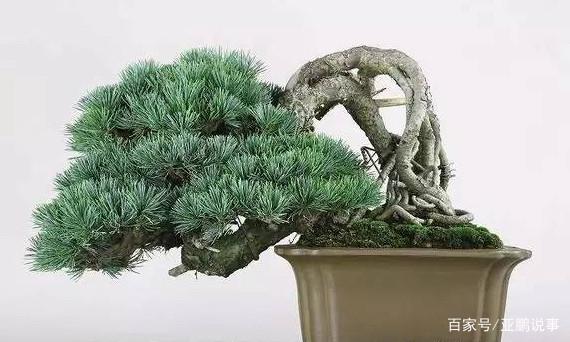
Some ancient trees in certain mountains and forests deep along riverbanks have lost soil to erosion, and their roots are often exposed above the ground. To produce this form and improve the ornamental effect, we can use the root-exposure method to achieve this goal.
1. Deep pot, high planting, soil-covered root method
First, plant the stump in a deep pot so that the main root and side roots are above the pot surface, then mound the soil over the roots in the shape of a steamed bun, without exposing the roots. After one year, use a small rake from top to bottom to remove one layer of topsoil at a time, one layer every one and a half years to one year, so that the tree's roots are gradually exposed from the soil, avoiding damage to the tender root tissue from sudden exposure to soil. After 2 to 3 years, the root system rises year by year, and the roots become exposed.
2. Column rooting method
Choose a cylinder 40-50 cm deep, fill the lower part of the cylinder with 10-20 cm of soil, then plant a stump that readily produces side roots and adventitious roots into the cylinder, fill the cylinder with river sand, and strengthen management of fertilizer and water. After the stump roots are grown in the cylinder, the river sand above is gradually removed over 3 to 5 or more sessions. Each session is half a year or one year. When the roots are long enough, the stump can be taken out of the cylinder and planted in a shallow basin. When planting, it should be properly trimmed so that the roots are exposed on the basin surface.
3. Deep pot water-flushing extraction
If the root system does not show on the basin surface, deep planting is fine. After planting, the plant's roots extend downward. After a period of maintenance, each time you water, lift the watering can so that the water rushes onto the roots, and gradually washes the soil away from the roots, exposing them. Combined with raising the cultivation position of the roots, the exposed portion of the roots will gradually increase, so that their form will gradually improve to achieve the decorative purpose.