Master these 3 points for roses, and dozens of pots will bloom in clusters, each pot outdoing the last
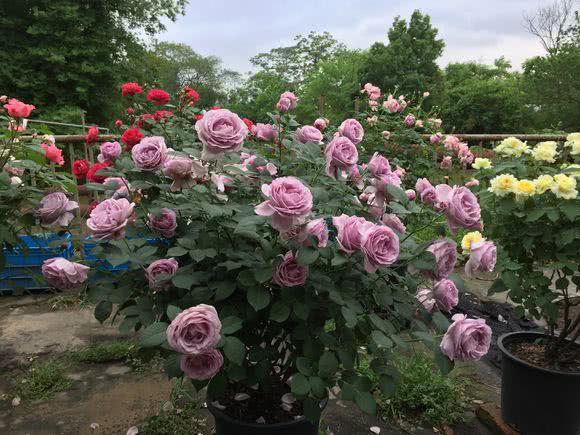
We have heard of rose gardens and seas of roses, but we have never heard of a flower enthusiast who grows dozens of pots of roses with every pot blooming and every pot bursting with flowers, and moreover packed together, blooming in clusters. Come and see the 3 great tricks of the rose goddess!
Fertilizing
Entering summer, both evaporation and consumption are high, and growth is rapid. During the flowering period, apply a light fertilizer every 10 days. You can also soak bean cake and poultry manure in water, ferment it in a sealed container, then mix it with water as a top dressing, so the plant has abundant flowers and lush foliage, breaking the rose's summer dormancy. For watering, it is best to use sun-warmed water to reduce the temperature difference between the potting soil and the water. Using water that is too cold will shock the roots and affect the plant's normal development.
If you are a flower enthusiast who loves cleanliness, or one who finds it troublesome, it is still recommended to use ecologically safe organic fertilizer, rich and balanced in nitrogen, phosphorus and potassium, purely plant-fermented, promoting a robust plant, vigorous growth and more flowers.
Pruning
Proper pruning of roses can also avoid pest and disease infestation. Pay special attention to pruning the branches and leaves at the base of the rose. Do not leave too many branches at the base of the rose's root crown; leave about 3 branches on the main stem, cut off the weaker branches, cut off branches and leaves that are too dense, and also cut off any crossing or crookedly growing branches.
Let the plants maintain a good ventilation environment, and maintain good light transmission, only then can the rose maintain healthy growth.
When pruning roses, you need to grasp a few small techniques: mainly preserve strong branches, prune weak branches and leaves, and cut off dead and diseased branches. Prune boldly, only then can you ensure the rose grows more vigorously.
First you need to know that the general principle for watering roses is "water when dry."
"Water when dry" specifically means watering thoroughly once, letting the water soak into the roots, ensuring the soil's moisture level, while at the same time avoiding waterlogging. The next watering should wait until the water in the soil is completely absorbed and evaporated and the surface is dry.
As for how long the interval between these two waterings should specifically be, it depends on the actual conditions of climate, growth and soil. There is no fixed time limit.
In summer, as temperatures rise, water evaporates vigorously. Especially with the arrival of the dry season, water once each morning and evening every day to ensure sufficient water. For the evening watering, pay even more attention to soaking the soil thoroughly. In the plum rain season, appropriately reduce the amount of watering according to weather conditions.
If the climate is too dry, appropriately spray water to increase air humidity. Appropriate water spraying to remove dust can keep the flowers and leaves bright and beautiful. But frequent spraying can also cause chlorides from the water to remain on the leaf surface and damage the leaves. In addition, water remaining on the leaf surface can also make the spores of seasonal black spot disease spread faster.
Image source: Hua Qian Fan