Rose leaves scorched in summer: how many of these factors apply to you?
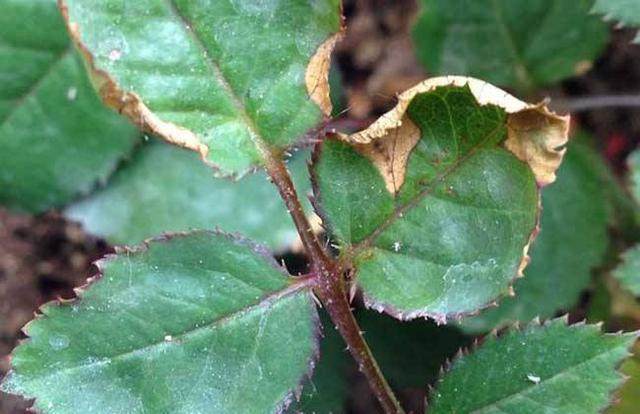
Never mind that roses are not blooming, now the leaves have also started to scorch. After consulting rose experts from all sides, these factors behind scorched rose leaves have been summed up. See how many of them you have run into.
1. When rose leaves scorch, the first thing to consider is pests and diseases, such as leaf blight, leaf spot disease, potassium deficiency, insufficient soil acidity, and so on.
2. Next is the watering problem. Watering during high temperatures causes relatively high evaporation from the leaf surface and burns the leaves, so watering during high temperatures should be avoided as much as possible; generally, watering in the morning and evening is more suitable. There is also another situation caused by not watering enough.
3. Excessive light. Under the blazing sun in summer, leaves will turn from green to brown, and then to black, so exposure to the blazing sun must be prevented; full sun in the morning and evening and scattered light at noon are enough. 4. Rainstorm damage. Rainstorms also destroy the waxy film on rose leaves, causing infection of the leaves by pathogens, forming black spots and black dots, and causing the leaves to turn yellow and black.
5. Too high a temperature combined with air humidity that cannot keep up will also cause yellowing and scorching of leaves, drying of flower buds, and so on. 6. Fertilizer that is too concentrated. In summer's high temperatures, fertilizer must be relatively dilute; raw fertilizer and concentrated fertilizer must not be used, or they will damage leaf buds and cause rotten leaves, and so on.
7. Smoke and dust pollution. When there is a lot of dust on the leaves, pathogens can easily infect them. 8. Not changing the soil for a long time. After watering roses over a long period, the potting soil easily becomes compacted, causing waterlogging and poor drainage, which will also cause leaves to turn yellow and scorch.
9. Pest infestation. Snails, ants, aphids and others gnaw on orchid roots and orchid buds. When orchid roots are damaged and infected by bacteria and viruses, it will show on the leaves. In addition, orchid lice and scale insects will cause yellow spots on the upper and lower surfaces of leaves.
10. Potassium deficiency. Young buds and tender leaves need potassium most when growing, and when the medium is deficient in potassium, leaf scorch or yellowing often occurs.