Have you ever eaten fried grasshoppers, a summer delicacy?
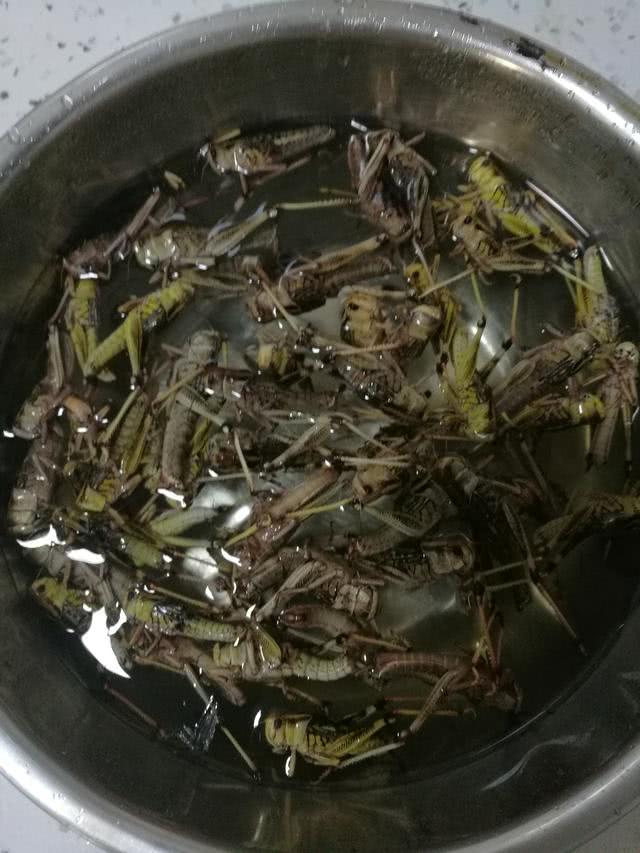
First, a reminder: grasshoppers are rich in protein, but you must be careful about allergies when eating them, and it is still recommended that small children not eat them.
Grasshoppers, also known as locusts, are not only rich in protein, carbohydrates, vitamins and elements such as calcium, phosphorus, iron, zinc and manganese, but are also a good medicine for treating tetanus, infantile convulsions, fever and asthma, combining food, medicine and nourishment in one, and many large feed manufacturers need dried grasshopper products ground into powder as animal feed additives.
Grasshoppers are rich in chitin. Nutrition experts believe that chitin is hailed as the sixth major life element of the human body after protein, fat, carbohydrates, vitamins and minerals. Chitin can raise the PH value of body fluids, improve the acidic environment in the body, scavenge free radicals in the human body, inhibit the damage of peroxides to human tissue cells, activate cells, delay aging, and enable toxins in the body to be eliminated, achieving the effect of detoxifying and beautifying the skin (Japan uses chitin as a preparation for sewage treatment). Therefore, chitin is recommended by nutrition experts as the last treasure of mankind in the 21st century.
Handling of live insects: collect them and let them starve to empty their feces (2 to 3 hours), blanch in boiling water (about 2 minutes; after the grasshoppers turn from green-yellow to brown, scoop them out to dry in the sun, and remove the wings and spiny legs), then fry or roast them, or quick-freeze them in the refrigerator.