Muskmelon is delicious, but try not to eat this part, to avoid harming your health
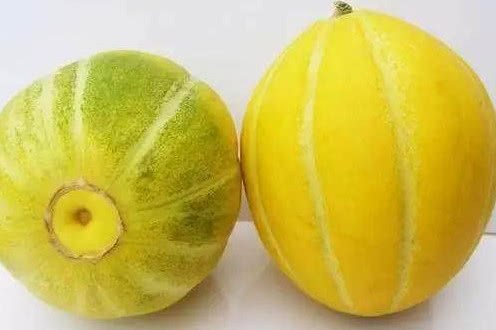
Muskmelon is also known as oriental melon, cantaloupe, and so on. It is an annual vining herbaceous plant of the Cucurbitaceae family. Varieties such as the common oriental melon, cantaloupe, and honeydew melon all belong to different strains. The fruit of this species is an important fruit of midsummer; the whole plant is used medicinally, with effects such as reducing inflammation and clearing toxins, inducing vomiting, removing dampness, and reducing jaundice. Muskmelon is also called sweet melon or oriental melon; it is a summer heat-relieving fruit, and the flesh is eaten raw. Muskmelon contains nutrients such as protein, carbohydrates, carotene, vitamin B1, vitamin B2, niacin, calcium, phosphorus, and iron, and also contains an invertase that can convert insoluble protein into soluble protein.
In addition, eating more muskmelon can enhance the functions of the human heart, liver, and intestinal system, and can also promote endocrine and hematopoietic functions. However, muskmelon is sweet and cold in nature, and people with bleeding, people with a weak constitution, people with abdominal bloating and loose stools, and people with spleen and stomach deficiency-cold must absolutely not eat it, otherwise it will worsen the condition. In addition, this part of the muskmelon is best not eaten, as it may cause poisoning.
Do not eat the melon stem of the muskmelon; the melon stem is toxic, and if eaten raw in a certain amount, it will cause poisoning. Eating the flesh of the muskmelon can relieve cough and eliminate restlessness, and can also eliminate bad breath, but accidentally eating the melon stem causes great harm to the human body. Excessive consumption will cause dizziness and blurred vision, diarrhea, and in severe cases, due to dehydration, it will cause electrolyte imbalance in the body, and ultimately lead to death due to respiratory failure and paralysis of the respiratory center.
Besides not eating this part of the muskmelon, the pairing of muskmelon is also very particular. Eating muskmelon together with bitter melon and watermelon makes the cold nature stronger, and it is not suitable for people with a weak constitution to eat; eating muskmelon together with durian will affect the dietary therapy effects of both; eating muskmelon together with strongly tonic medicinal dishes will affect the effect of the medicinal dishes; muskmelon has a high sugar content, so people with diabetes should remember not to eat too much.
How to select muskmelon: "First look" at the skin and flesh. From the perspective of ecological characteristics, muskmelons with thick skins have a high sugar content, taste crisper, and are sweeter. Because the melon skin is thick, the nutrients it contains are also relatively rich. "Second touch" the melon stem: pay attention to comparing the fruit stalk. If the fruit stalk is too thick, it may have been exposed to more auxin, and the taste will naturally be poor. Pinch the melon stem with your hand; if the stem falls off naturally, leaving a small pit, it shows that the melon ripened naturally and tastes sweet and fragrant. "Third smell the aroma": there is naturally no need to say more about melons with a rich aroma being better. Good food brings anticipation before eating and aftertaste after eating; it is no longer merely a simple taste sensation, but also a kind of spiritual enjoyment. Enjoying good food also depends on the occasion; on a good occasion, the food tastes better too. Food culture around the world is broad and profound, and the nutrients are all different. Tasting more foods, enjoying more health, also makes people eat more happily.