Heavy summer pruning of kalanchoe to force blooms, then a bursting pot of flowers after autumn
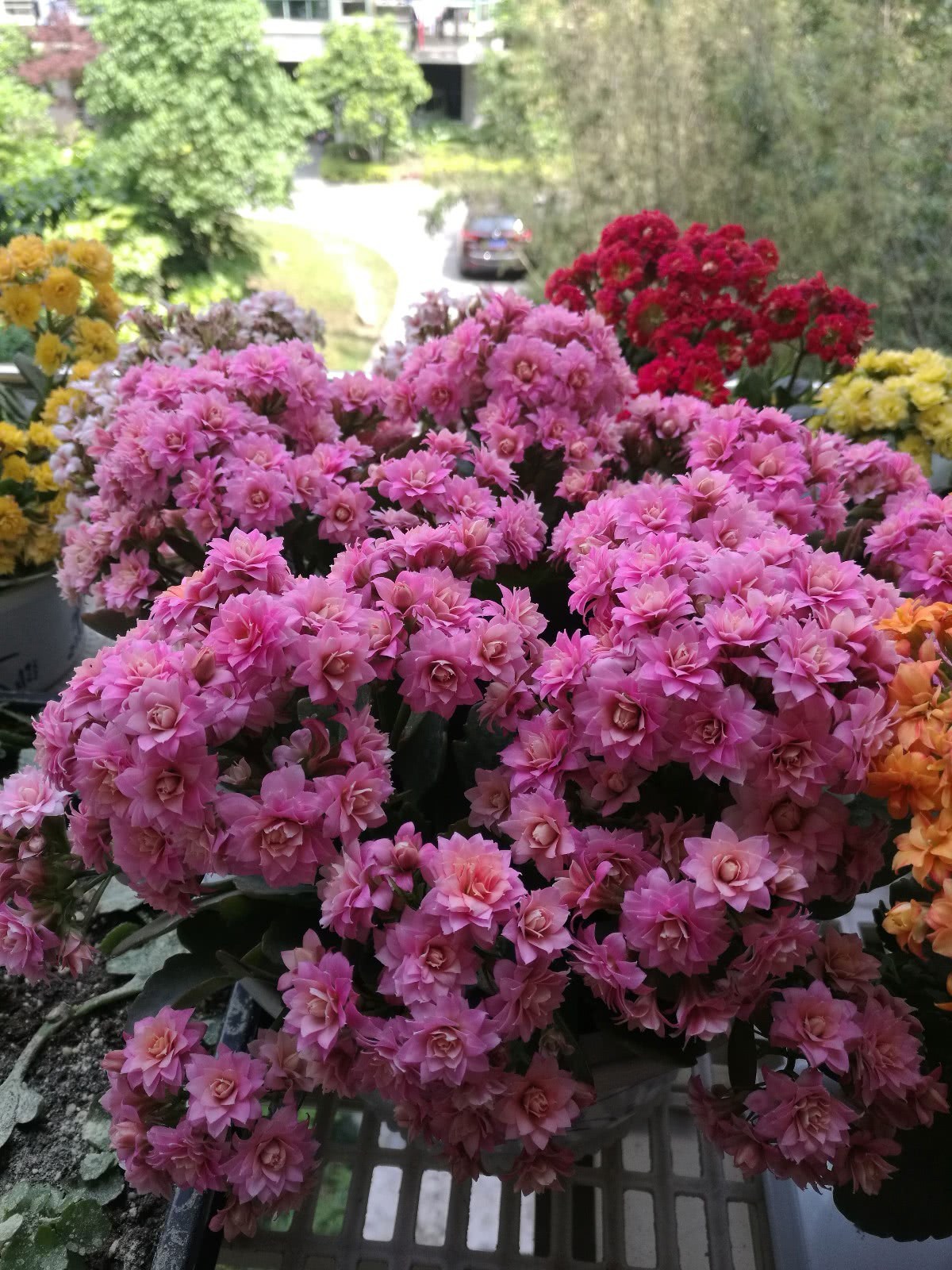
Kalanchoe, true to its name, has a long blooming period and comes in many varieties. It also has another alias, "good luck flower," and is suitable for gifting to elders and the elderly, wishing them "fortune, longevity and good cheer, and a long and healthy life," which is why it has always been deeply loved by people.
Kalanchoe belongs to the Crassulaceae family, genus Kalanchoe. With its thick, fleshy stems, kalanchoe is highly prone to black rot in the hot, humid conditions of summer. Getting it safely through summer while waiting for its autumn bloom is a major challenge with kalanchoe. Today let's talk about how to give kalanchoe a "buzz cut" to get it through summer, so it bursts with flowers after autumn.
May is already drawing to a close, the weather is turning hot, and the spring flowers have basically all faded. This is the time when we can give kalanchoe a haircut. First, cut off all the leaves, leaving only the stems about 3cm above the soil surface. Without the thick, fleshy leaves, kalanchoe has less space to store water, which reduces the chance of dampness forming and lowers the occurrence of black rot. During its entire summer dormancy, water it sparingly and do not let it get rained on.
Combine pruning with repotting. Kalanchoe is generally repotted each year in spring or after blooming, and a pot with a diameter of 12-15cm is commonly suitable. Many flower growers have this misconception: they think the bigger the pot, the better the plant will grow. In fact, if the plant is relatively small and you choose a large pot, the nutrients in the soil all get used for root growth, while the leaves and flowers grow less well due to the lack of nutrients.
After giving kalanchoe a large-scale pruning, you control its overall height. Once it gets through the scorching summer, autumn arrives, and that is the season when kalanchoe grows most vigorously. If the branches increase, the flower heads will naturally increase too.
When we see fresh green little leaves emerging from the bare-stemmed kalanchoe, it means it has ended its dormancy and is looking forward to blooming again. At this point we can water and fertilize normally. Fertilizing is a little bit of an art in plant care. Beginner flower growers can keep a plant monitor on hand to track the water and nutrient status of their plants in real time 24 hours a day, so they can water and fertilize promptly.
The principle for fertilizing kalanchoe is: light fertilizer, applied frequently. Some flower growers, to save trouble, often give their plants a single heavy dose of fertilizer. If kalanchoe is given too much fertilizer at once, it can cause large areas of leaves to turn yellow, or the whole plant to wilt, with serious consequences. As for fertilizer, you can choose an organic liquid fertilizer specially made for flowers; the nutrients it contains help promote flowering, making a bursting pot relatively easy.