Water your spider plant with a little milk, and the little spiderettes grow into a waterfall, with neighbors beating down your door
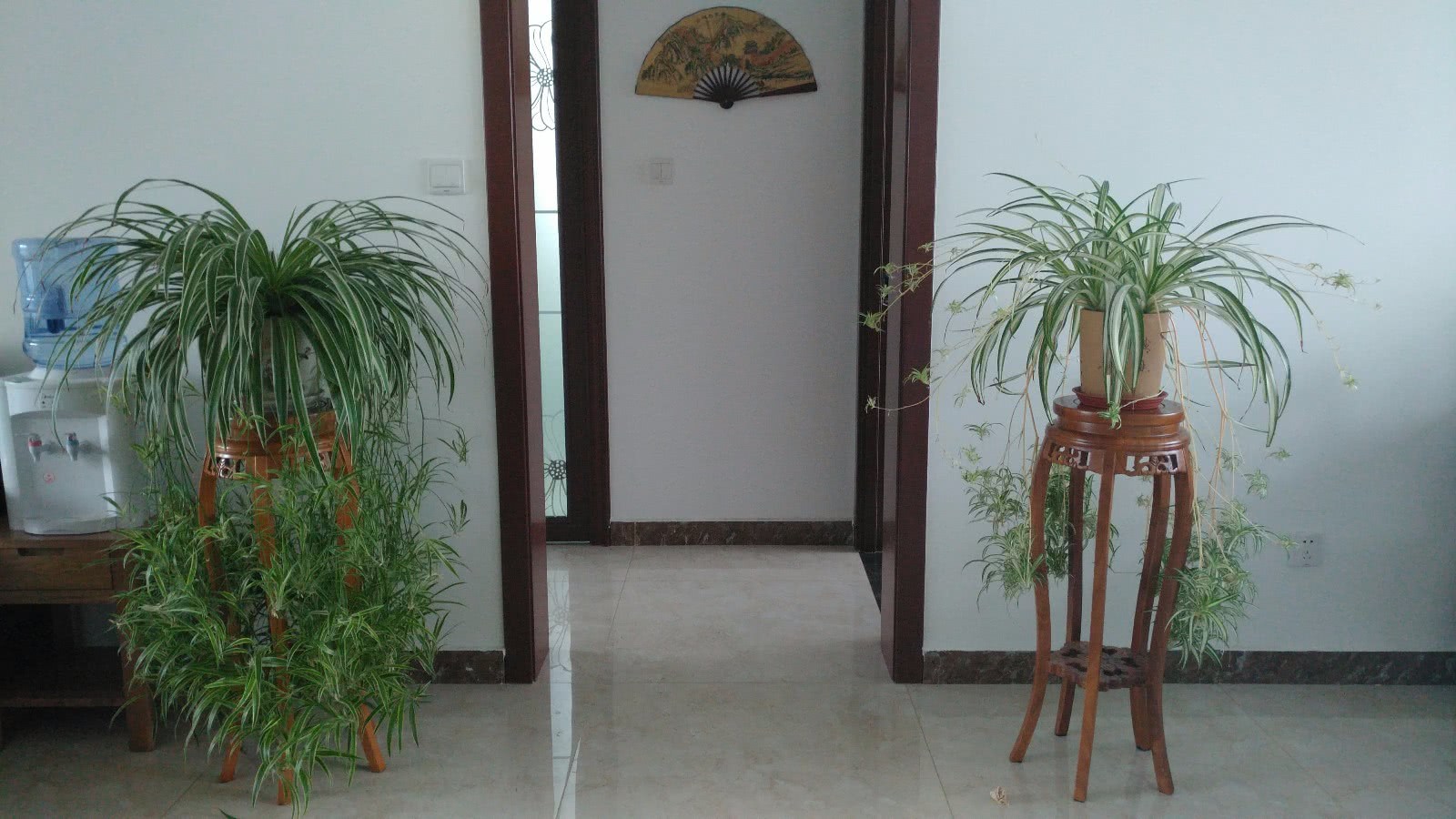
Besides pothos, the spider plant is also a great air purifier, and its ability to absorb harmful gases such as formaldehyde and carbon monoxide from the air is even stronger than that of pothos. The spider plant has long been known as the "fairy in the air"; hang it in the living room or on the balcony for particularly good results.
Now some flower lovers will ask: how do you grow a spider plant into a beautiful little hanging one? Generally speaking, only spider plants over one year old can produce spiderettes; if it is already over a year old and still has none, then the foundation was not laid well. Today I will introduce a few methods to make your spider plant grow vigorously, with leaves both green and large, and grow into a little waterfall.
The first issue is watering. The spider plant is a foliage plant, and in summer when the weather is hot, transpiration is even stronger, so basically you need to water it once every 3 days to keep the potting soil moist. Spray water on the leaves every evening, which can effectively reduce the yellowing of leaves. In summer, 80% of plants and flowers are killed by watering; you can use a plant and flower detector to monitor the water and fertilizer status of plants and flowers in real time 24 hours a day, so you can accurately grasp when to water them.
The second step is to give the spider plant a little snack, which is the yogurt we usually drink. This yogurt is the milk we normally drink, because yogurt is rich in nitrogen; when watering, give the spider plant a little to supplement nitrogen, and it will rapidly grow into a little waterfall.
Each time, just put some water in the bottle after drinking the milk and let it ferment naturally for about 10 days, then take it out and dilute it with clean water at a ratio of 1:10, and use it to drench the roots or spray the leaves of the spider plant. Use it on the spider plant once every week; after using it three or four times, you will find the spider plant has become glossy green.
Actually, the most important step is still reasonable fertilizing. To get a full pot, you must pay attention to fertilizing; if yogurt is a snack, then fertilizing is the main meal. When fertilizing, lift up the leaves to avoid contaminating them, which can easily damage the tender leaves; after fertilizing, it is best to rinse the leaf surface with clean water, so the leaves of the spider plant will grow very beautifully.
For fertilizer, you can choose a good organic nutrient solution; organic liquid fertilizer causes zero harm to plants and has a very high absorption rate. Fertilizer is not about how much you apply, but about how much the plant can absorb; it is best to choose one with a high nitrogen content, which can promote leaf growth.
This last step must be done. After the spider plant has grown spiderettes, its original pot may no longer be suitable; generally, when growing spider plants, just plant 3 plants per pot, and a pot diameter of 15-20cm is more suitable. Also, during normal care, if you find roots growing out of the bottom of the pot, you need to repot immediately, otherwise the spider plant will easily develop yellow leaf tips, curling, and other symptoms, or even die.