What kind of water is best for watering succulents? These three kinds of water are rich in nutrients
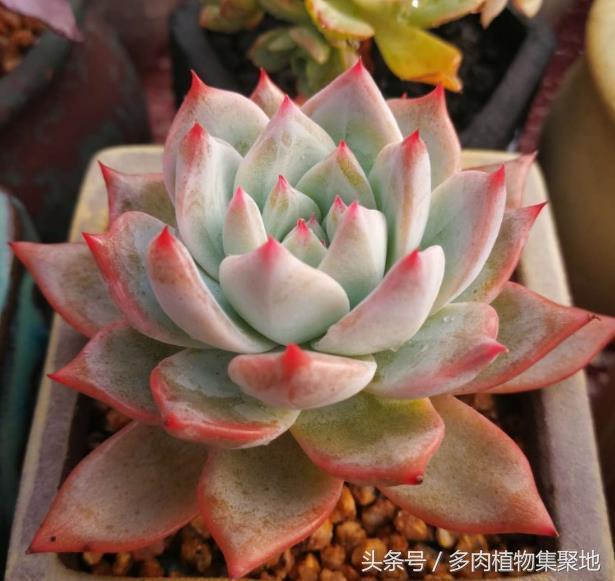
Whenever you notice that a succulent's leaves are wrinkled or soft, it is undoubtedly a sign of dehydration, and you need to water it immediately. Under normal circumstances, it can return to being plump within 3-5 days. If the plant is still wrinkled and not plump after repeated watering, it means the root system must be poor, or the soil has caked and compacted so that water cannot penetrate into the soil. You need to dig it out, loosen the soil again and check the condition of the roots. So which kind of water is the best for watering flowers?
Tap water: Tap water contains a small amount of chlorine and a large amount of bacteria, and the temperature of tap water is usually different from that of the potting soil. In view of this, I personally suggest leaving tap water in the sun for two days before using it to water plants. It is generally believed that the reason direct watering with tap water is bad is that tap water contains chlorine, which has a bad effect on plants. But in fact, plants are not that delicate. To some extent, for a period of time, you probably will not see any difference in the plants whether you water them directly with tap water or after letting it sit for a day or two.
Rainwater: Freshly collected rainwater is also very good water for watering plants, but it is best not to leave the plants outside in the rain directly. You can collect the rainwater and use it when you need to water. For some succulents that have just been moved out after being kept indoors in winter, do not rashly expose them to frequent rain. At least let them first get used to the current climate environment. Rain will also worsen the disease for some etiolated and sick succulents. There are also some succulents that have just been bought and planted not long ago; frequent rain may also accelerate their etiolation.
Rice water: Rice water after settling contains a large amount of trace elements. It is not only very good water for watering plants, but also has certain nutrients. Rice water contains protein, starch, vitamins, etc., and is rich in nutrients. Using rice water to water plants can make their branches and leaves lush and their flowers brightly colored. Rice water can also be used to water succulents, because rice water itself is rich in nutrients. If poured directly, it may not be very good; the key issue is that it easily breeds small insects, such as the common fungus gnat. We can ferment the rice water before use, and then the effect will be different.
What should you do if you have watered a succulent too much? If the situation is not serious and a large amount of standing water has not formed in the pot, you can first place the plant in a ventilated environment with sunlight, but the light must not be too strong, and temporarily stop watering until the situation improves, then put the plant back in its original place. If there is a large amount of standing water in the bottom of the pot and it cannot be drained immediately, you need to remove the plant from the pot, carefully remove the soil from around the roots, generally just removing the soil is enough, and let the plant and the soil dry separately.
Succulents most dread standing water. Especially in summer, growers may feel that the water in the soil dries quickly, so they water frequently, causing the roots to remain damp and rot for a long time, making it hard to recover. In fact, summer has a lot of rain and the air is humid. Although the soil surface may appear dry, the bottom is still not thoroughly dry, especially in southern regions. For winter-growing succulents, watering should be strictly controlled in summer, and if the temperature stays above 35°C, you can consider stopping watering.
Summer-growing succulents in the growth period need relatively sufficient water, otherwise they will stop growing and their appearance will also change. When watering, avoid sprinkling it on the leaves; it should be poured into the soil, and water droplets on the leaves should be blown away promptly. It is recommended to use a pressure spray bottle for watering, which can avoid the above situations. You can water thoroughly, but there must not be standing water. During the rainy season, attention should be paid to drainage and waterlogging prevention, so as to avoid root rot caused by standing water in the soil.
This is a gathering place for succulent lovers, sharing succulent care tips. You are welcome to follow and exchange ideas.