Use this flower fertilizer for succulents, and they won't rot their roots or turn yellow, and you can easily grow them into a full pot
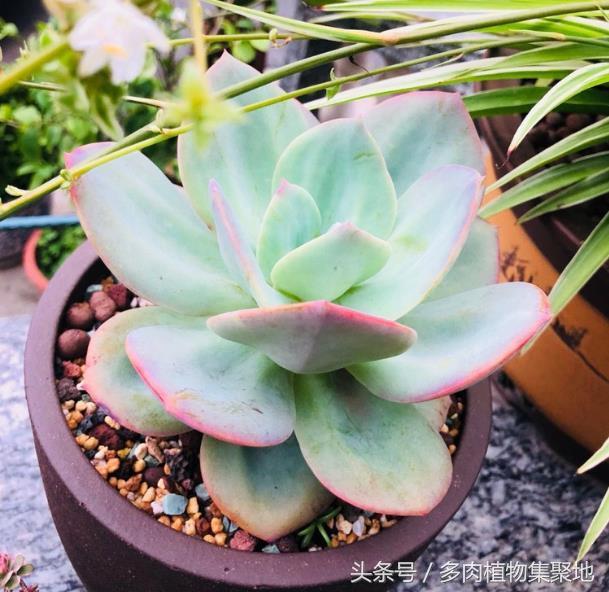
Succulents can use slow-release granular flower fertilizer, which is most suitable for lazier gardening enthusiasts. When repotting and changing the soil, put some at the bottom, or add it once to the surface every 2-3 months, and both work very well. Generally speaking, there are many succulent-specific granular slow-release fertilizers on the market. This kind of fertilizer gradually releases its nutrients as the temperature rises, so it will not directly burn the roots. This belongs to compound fertilizer.
Granular slow-release fertilizer is currently the most common fertilizer we use. This kind of granular slow-release fertilizer is specially aimed at succulents. Many gardening enthusiasts use granular slow-release fertilizer, and the effect is very good, with the fertilizer releasing gradually. Fertilizing succulents is not very important. With slow-release fertilizer like this, generally putting in a few granules means you do not need to fertilize the succulents again for a long time. It should belong to a type of compound fertilizer. If you do not like this kind of compound granular fertilizer, then I can classify and explain the specific roles of nitrogen, phosphorus, and potassium for you:
Phosphorus fertilizer can make crop metabolism normal and plant development good, while also improving the drought resistance and cold resistance of crops. It promotes plants to bloom and bear fruit earlier. (If you want to make them bloom earlier and supplement the nutrient loss during flowering, try it.) Chemical fertilizers with phosphorus nutrient elements as the main component include ordinary superphosphate, calcium magnesium phosphate fertilizer, and so on. The more representative nitrogen fertilizer is animal manure and urine, and the potassium fertilizer is plant ash, because their nitrogen and potassium element content is high, and phosphorus is widely present in animal bones. The nitrogen fertilizer widely used in agriculture is mainly urea, the phosphorus fertilizer is superphosphate, and compound fertilizer contains a relatively high content of potassium fertilizer.
Other flowers can use bone meal. Generally, use defatted bone meal and mix it into the flower soil at a ratio of 1 part bone meal to 10 parts flower soil. Chicken manure: although fermented chicken manure smells a little, it is a very good comprehensive flower fertilizer for plants. Just put it at the bottom and do not let it get close to the root system. Potassium fertilizer can strengthen plant photosynthesis, make stems and stalks tough, resist lodging, and promote the development of plant roots and stems.
The time for fertilizing is chosen during the flowering period, that is, starting when the flower spike emerges, once every half month, applied together with watering. Continue applying until the seed pods mature. For individuals whose flowering period needs to be controlled and flowering time coordinated, you can apply less or not apply at all. The osmotic pressure at the roots of most succulents is very low, so the concentration of the fertilizer solution must not be too high. The type of fertilizer should vary according to the plant variety and growth stage. Generally, at the seedling stage, for leafy succulents that are green, the amount of nitrogen fertilizer applied can be slightly more, while for varieties at the flower bud differentiation stage, flowering and fruiting stage, and those with spherical or columnar plant shapes and leaf colors of red, yellow, or other non-green colors, more phosphorus and potassium fertilizer should be applied.
The suitable planting time for most Sedum plants is spring, autumn, and winter. Summer is relatively more difficult, so for beginners, avoiding summer is more suitable. The best season is autumn and winter. Plants of the genus Crassula are not recommended to be planted in late spring and early summer. It is not recommended to grow them mixed with cactus plants or Aizoaceae plants. After getting a Sedum plant, you should check whether the plant is healthy. If the plant shows signs of rot, remove the rotten leaves and stems, let them dry, and then plant them.
This is a gathering place for succulent enthusiasts, sharing succulent care tips. Welcome to follow and exchange ideas.