Fun with Plant Feng Shui: Which Auspicious Plants Can Attract Good Fortune and Ward Off Evil
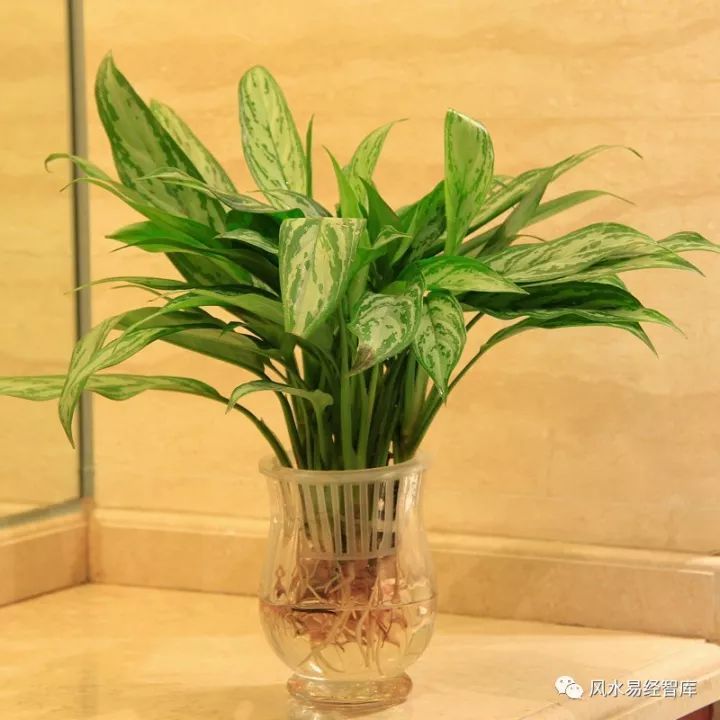
Every blade of grass and every tree has its own spiritual essence, and none should be taken lightly! The ancient great masters said: "The green bamboo is all the Dharmakaya; the lush yellow flowers are nothing but Prajna." Mountains, rivers, and the great earth are all manifestations of the Tathagata; clear springs and flowing streams are all the broad and long tongue of the Buddha. May those with karmic affinity realize this!
The forms of plants are related to the fortune and misfortune of a dwelling. Trees can benefit people, but they can also harm them. One should attract good fortune and ward off evil, with things that are favorable and things to avoid:
1. Tree trunks should not stand in front of doors and windows. Wood within a gate is called "idleness"; wood within a mouth is called "entrapment." Trees are also taboo in the center of a courtyard, as the yin energy is too heavy and may attract yin evils.
2. The direction of roadside trees and hedgerows should not rush toward the house.
3. Avoid building a small house beneath a large tree. There is a saying, "When a house is under a big tree, disasters and illnesses constantly come home," and it is also prone to lightning strikes.
4. Bulging grotesque trees, hollow trees, trees strangled by vines, trees leaning outward, and other trees with inauspicious forms and imagery should be avoided in places commonly seen from doors and windows.
An ancient book says: "A door facing a weeping willow, hair unbound and hanging from a beam. Trees bending in embrace, leisure and blessings arrive. Peach and apricot before the gate, lust for flowers and wine. A lone tree facing the door, a widowed mother and orphaned grandchildren. A door facing into the woods, many disasters and illnesses and much misfortune. A lone tree flat and bald, two surnames not in harmony. A large tree strange and grotesque, pains and ruined reputation. Planting roots beneath a tree, deafness, blindness, illness, and confusion. A tree bent like a hunchback, both people and wealth decline. A withered tree facing the door, fire and death. A withered tree on the roof, a widow is sure to appear. A tree head pointing outward, one is sure to suffer harm. A tree head hanging over water, one is sure to face water danger. Two trees flanking a house, flesh and blood suffer. A dead tree before the gate, loss of wealth and a fallen road. A locust tree before the gate, promotion and wealth. A large tree pressing the gate, the family has no descendants. A hollow tree facing the door, consumption never ends. A house under a large tree, disasters, illnesses, and loneliness." Feng Shui holds that trees and people, trees and dwellings, rise and fall together, with synchronized information: when trees flourish, the dwelling flourishes; when trees wither, the dwelling declines.
Southerners are the most particular about Feng Shui, and it is also the wealthiest region in China. Every Spring Festival, they arrange many flowers and green plants at home, such as red bromeliads, money trees, pennywort, Phalaenopsis orchids, clivias, Christmas cacti, golden pothos, Chinese yews, kumquats, hibiscus flowers, crabapple flowers, Japanese aralias, Bodhi leaves, peace lilies, lucky bamboo, lucky plants, and many other precious flowers and trees. Some even hang red envelopes all over the trees, making the home full of vitality, with an atmosphere of joy, peace, wealth, and nobility.
Plants should accord with folk culture. Common auspicious plants are described below.
1. Pine: The character "pine" can be split into "eighteen lord." In ancient times, bamboo was called the gentleman and pine was called the senior official. Pine can bring longevity without aging.
2. Cypress: It is a yin wood. Pine is the duke, cypress is the earl, compared to the ranks of the Three Excellencies. Yin dwellings and tombs mostly plant cypress and set up stone tigers. Cypress wood can ward off evil. Eating cypress seeds can bring longevity. A cypress branch combined with a ruyi forms the image "all matters as one wishes," and combined with an orange forms "all matters greatly auspicious."
3. Osmanthus: It carries the meaning of glory, splendor, wealth, and honor. Historically, passing the imperial examination with high honors was called "plucking osmanthus in the moon," and descendants advancing in official careers was called "orchids and osmanthus flourishing together." Osmanthus likes simplicity and dislikes greasiness, and is suitable for planting in academies and temples; it does not flourish in household courtyards. Osmanthus combined with lotus seeds forms the image "continuous births of noble sons." Combined with a longevity peach, it forms "noble longevity without limit."
4. Toon: The tree of longevity. Toon also symbolizes the father, while daylily symbolizes the mother.
5. Pagoda tree: It carries the meaning of attracting wealth and treasure, prosperous descendants, and ranking among the Three Excellencies. It can also urge on marriage.
6. Phoenix tree: It can be made into a qin and has the ability to verify current affairs. In ancient times, the phoenix tree attracted the phoenix, so it is beneficial for marriage.
7. Bamboo: It is compared to a gentleman. There are many kinds, including spotted bamboo (Xiangfei bamboo), ci bamboo, arhat bamboo, gold-inlaid jade bamboo, and heavenly bamboo. Most are used to promote literary fortune, official fortune, and safety.
8. Silk tree: It is called the marriage tree. It is also a tree that dispels worries.
9. Jujube: It is the fruit of the immortals. Jujube combined with chestnut (or lychee) forms the image "early establishment of sons," and combined with longan and peanut forms "early birth of noble sons."
10. Chestnut: It can serve as a spirit tablet (a memorial tablet for the dead). Planting chestnuts in the east is beneficial for family harmony.
11. Peach: It can control a hundred ghosts and ward off evil. It also governs longevity. Peach blossoms also govern matters between men and women.
12. Pomegranate: It implies many sons and much blessing.
13. Tangerine: It can attract good fortune and pray for blessings; the kumquat can attract wealth.
14. Plum: It represents the wife. In ancient times it was called "green plums and bamboo horses," and it mostly implies love. It also symbolizes the arrival of the five blessings. It represents chastity.
15. Lotus: Confucianism, Buddhism, and Taoism all especially cherish the lotus. In Confucianism there is Zhou Dunyi's "On the Love of the Lotus." Buddhism and Taoism use the lotus to symbolize purity, comparing it to emerging from mud unstained. In common custom, twin lotuses symbolize harmony between man and woman and the affection of husband and wife. It also takes on the meaning of integrity.
16. Hibiscus: Also called wood lotus. Combined with peony, it forms the meaning of glory, splendor, wealth, and honor.
17. Peony: It is known as the king of flowers and the flower of wealth and honor. Combined with a longevity stone, it becomes "long life and noble wealth"; combined with periwinkle, it becomes "wealth and honor with eternal spring."
18. Chinese rose: It implies peace in all four seasons. Combined with heavenly bamboo, it carries the meaning of eternal spring throughout the four seasons.
19. Gourd: It implies prosperous descendants and has the function of isolating energy fields. It is often used in Feng Shui to dissolve evil influences.
20. Sweet flag can benefit the mind and prolong life.
21. Dogwood can ward off evil and expel ghosts and spirits.
22. Lucky plant: It is auspicious whether for building a house, marriage, or having children, implying evergreen for ten thousand years. Although it is a tree of auspicious meaning, there are also particularities about the direction in which it is planted. For example, ancient proverbs say: plant mulberry and silkworm thorn trees in the east, plant pine and cypress in the east, plant willow and poplar in the south, plant pomegranate in the west, do not plant mulberry in front of the house, and do not plant pagoda tree behind the house.
The Taoist patriarch said: "I shall open up the supreme Tao and Dharma and universally save all moving and plant beings." In ancient times there was the story of Patriarch Lu Dongbin converting the willow of the southern city and the Peony Fairy. Immortals especially cherish flowers and plants, and call places with beautiful flowers and grasses and clear mountains and waters "cave heavens and blessed lands," earthly paradises. Therefore, Feng Shui pays the greatest attention to mountain and water forms and to vegetation and greenery. They are called the bones of the dragon and the hair of the dragon. They are an important sign of whether there is earthly energy.
Thank you for your attention. Please share as you wish.
Feng Shui I Ching Think Tank
WeChat public account: okfsscom
★Enlighten wisdom, foresee the future, think tank team, protect success.