Don't throw away watermelon rinds in summer, keep them to grow flowers, and your plants will shoot right up.
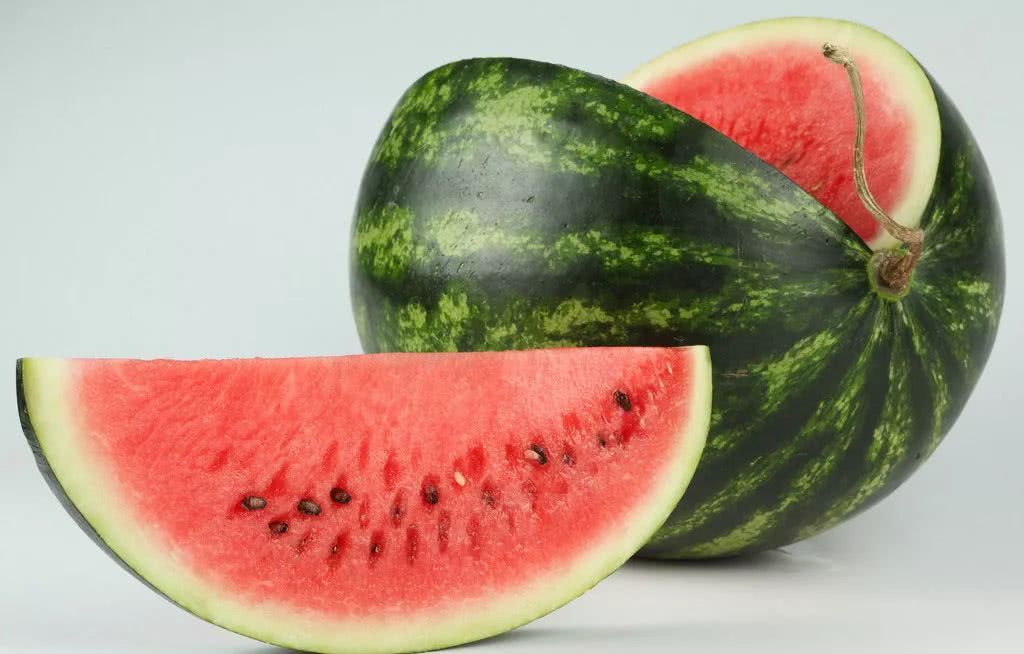
Summer is here, and the weather is muggy and hot. At times like this, being able to eat some ice-cold watermelon is just incredibly satisfying.
After eating watermelon, we are all used to throwing the rind away. As for the watermelon rind, it seems to have no edible value left, but that is actually not the case.
Watermelon rind can be prepared for cooking; it helps promote fluid production and quench thirst, reduces swelling and promotes urination, and can effectively dispel the heat of midsummer. Once cleaned, watermelon rind can also be used to wipe the face, and it can do quite a lot for after-sun repair.
Likewise, watermelon rind can also be used to grow flowers, and it has just as many benefits. Keep it to make flower fertilizer, and it can nourish our flowers and plants very well.
We collect the leftover watermelon rinds. It is best to clean off the red flesh part, otherwise the flesh contains a lot of sugar and easily attracts fungus gnats and other pests.
Cut the cleaned rind into small pieces of a suitable size, put them in a large plastic bottle, add some water to ferment, and do not add too much.
Put them in a place with high temperature and plenty of light. Do not screw the bottle cap on too tightly, otherwise the large amount of gas produced by fermentation cannot escape and an explosion may occur.
The rind from one watermelon is not much, so after the next one you can keep adding rind to the bottle. Be careful not to fill it too full, as that will affect the fermentation of the rind.
Fermenting rind produces a sour, foul smell. It is impossible to remove it completely, but we can add some orange peel, which will reduce the smell quite a bit.
After about ten days, the fertilizer water made from fermented rind is basically ready. Once diluted, it can be used to water flowers.
Do not waste the leftover rind residue from fermentation; it can also be put to use. Place it at the bottom of flower pots, and it can also be used as a base fertilizer, providing various nutrients for plant growth.
Making fertilizer water is this simple, so flower lovers, come and give it a try. Make full use of the rind, saving money and being eco-friendly too~
If you also like growing flowers, then follow us!