Lavender bonsai is simple and stylish, beautiful and charming, worth having
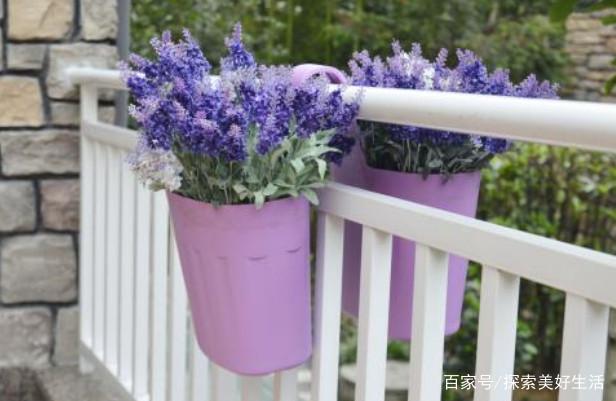
Lavender is a perennial evergreen shrub or herb of the genus Lavandula, and the whole plant can emit a distinctive fragrance. Many fine perfumes contain lavender oil extracted from the flower spikes of lavender, with a rich and lasting aroma. The flower hedge formed by its blue flowers is even more refreshing. In autumn, collect its flowers and leaves, and after drying them they can be made into fragrant pillows.
Soil: Lavender seeds are relatively small and have a low germination rate, so the soil generally used for sowing needs to be loose, breathable, highly water-retentive, and thoroughly sterilized. It is suitable for slightly alkaline or neutral sandy soil. You can use 1/3 perlite, 1/3 vermiculite, and 1/3 peat moss mixed together.
Sowing: The sowing period for lavender is generally chosen in spring. In warm regions, it can be done from March to June or from September to November each year. In cold regions, it is best to sow from April to June, and it can also be sown in a greenhouse in winter. Germination takes about 14-21 days, and the suitable germination temperature is 18-24°C. After germination, appropriate light is needed; weak light easily leads to leggy growth.
Light: Lavender is a full-sun plant and needs plenty of sunlight and a moderately moist environment. An environment that can provide full sun is better; it can also grow in partial sun, but it will bloom less. In summer, at least 50% of the sunlight should be shaded, and ventilation should be increased to lower the ambient temperature. Although it will grow weakly this way, it will not die. In winter, lavender can grow well on flat ground and should be cultivated under full sun.