How do you grow potted tomatoes so they keep producing fruit? These 7 points need attention
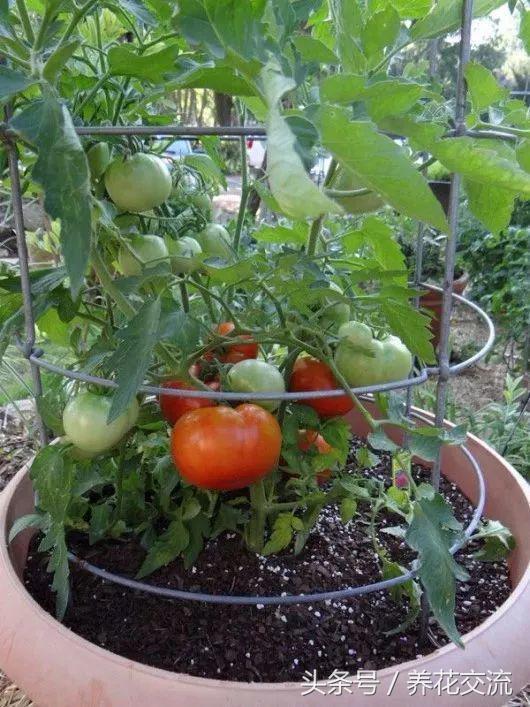
If you like growing some edible fruits and vegetables, then caring for potted tomatoes is a good choice. Grow them in a sunny spot and water them regularly, and they can bloom and bear fruit too. Growing tomatoes in pots is actually quite simple? Let's take a look at the things to pay attention to.
Four things to pay attention to when growing potted tomatoes:
1. The growing environment
The environment for growing tomatoes must have plenty of light like this, maintaining at least six hours of direct sunlight every day, avoiding a position that is too shady, and also keeping good ventilation.
When growing tomatoes, you should choose the right time. The time for planting tomatoes differs from region to region. For example, in southern regions you can choose to sow in autumn, while in northern regions sowing is generally chosen after the weather warms up in spring. When growing tomatoes, it is best to choose local varieties, so that you can ensure they survive and have better environmental adaptability.
2. Proper sunlight
Growing tomatoes requires as much sunlight as possible to grow well, so the spot where you keep tomatoes must be placed in a sunny place, but it must not be overly hot, especially for tomatoes grown on balconies or terraces. You can place them on a south-facing windowsill and keep the environment ventilated.
3. Proper fertilizer
Caring for tomatoes requires not only regular watering but also regular feeding with some fertilizer water. If watering is very appropriate but the tomatoes still show yellow leaves, then it is very likely a nutrient deficiency. You can give a diluted organic liquid fertilizer once every 2~3 weeks, and add a proper amount of compost to the soil.
4. Notes on watering tomatoes
Watering tomatoes is very crucial, and it is also fairly easy to get the hang of. During the growing period, you can keep the potting soil appropriately moist, avoid watering directly onto the leaves and flowers, and when watering avoid water accumulating in the soil, and do not let water accumulate in the saucer either.
When watering tomatoes, whether in the evening or in the morning, do not water the leaves or flowers. Once the sunlight is strong, water droplets can easily burn the leaves, and water accumulating on the leaves at night makes them prone to fungal diseases.
5. Sowing tips
Before sowing tomatoes, it is best to soak them in clean water for 1~2 hours. You can first soak them in warm water for about 15 minutes, then soak them in clean water for 3~4 hours, and only then sow them. But avoid soaking them in water that is too hot, otherwise the seeds can easily be scalded. Soaking the seeds in warm water can prevent leaf mold and other fungal diseases.
After the seeds have been soaked in clean water, you can scatter the seeds into a seedling tray or flower pot for sowing, and generally they will take root and sprout in 3~5 days.
The environment for growing tomatoes should be kept between 22~28 degrees, keep the environment ventilated, with relatively high air humidity, and avoid excessive dryness.
6. Soil choice
Before sowing, you must use loose, fertile soil with strong fertility, and choose a relatively deep flower pot for growing, as its root system is quite vigorous. For the soil you can choose peat soil, paired with compost soil and other garden soil. Adding a proper amount of perlite or yellow sand can increase air permeability and drainage capacity. Peat soil also has strong water retention capacity and its fertility is good too.
7. Setting up a support
Tomatoes grown in pots must have a support set up, which allows them to grow better and prevents them from falling over. During the growth of tomatoes, avoid letting too many side shoots grow; any side shoots that do not flower should be removed, so that more nutrients can be conserved.
8. Preventing pests and diseases
During the growth of tomatoes, in order to better prevent fungal diseases, the relatively dense branches and leaves at the bottom should be pruned off, keeping the base of the stems ventilated and exposed to light, which helps reduce pests and diseases.
When tomatoes are flowering, if they cannot set fruit, you can gently shake their branches and pollination will succeed. At fruiting time, you can appropriately supplement a tiny bit of phosphorus and potassium fertilizer, which helps them set fruit better. When the tomato fruits are almost ripe, do not apply fertilizer anymore.