A golden fruit from the mountains that people call the "fruit of upright qi" - every part of it is a treasure, yet few have ever tasted it
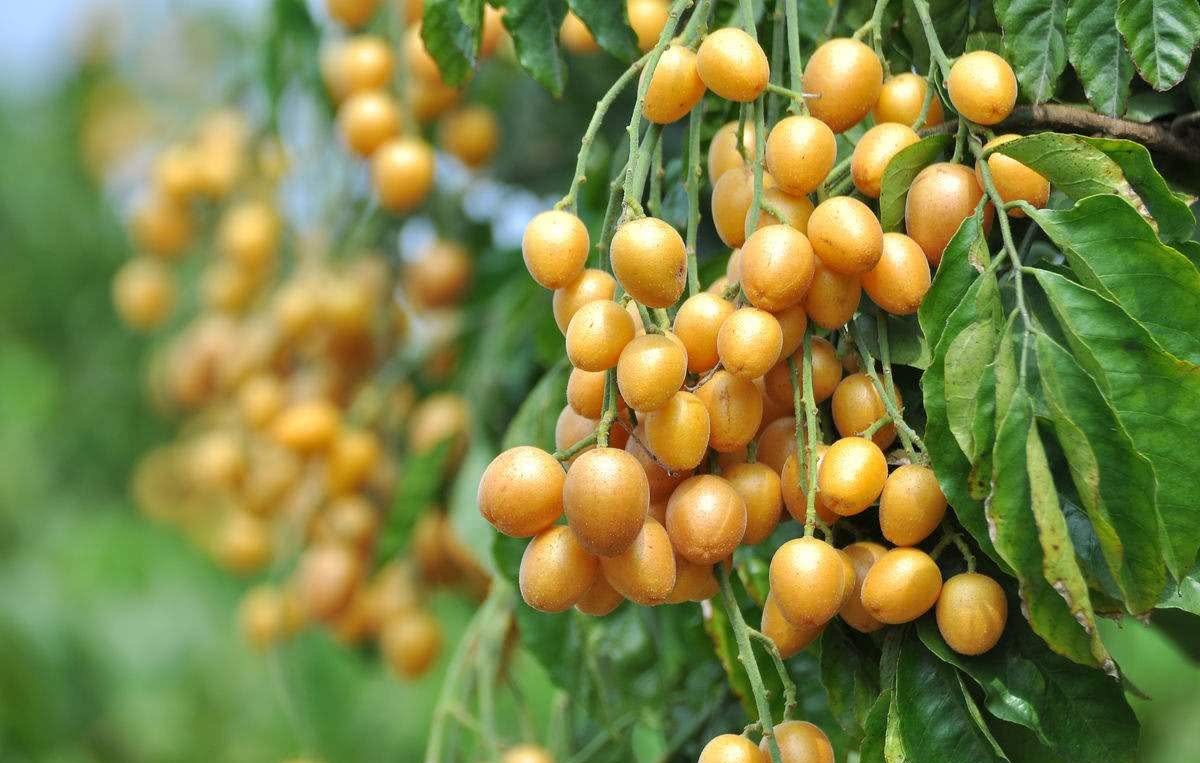
June is almost here, and in the mountainous areas of South China, a golden fruit is about to ripen. This fruit has a bright golden appearance and is very appealing - it is the favorite summer fruit of many "old Cantonese." However, outsiders are not used to eating it, because it has a slight sour-bitter taste, far less sweet and fragrant than the lychees and mangoes grown in the same region. Still, this golden fruit is highly nutritious, and every part of it is a treasure - it can be eaten and also used as medicine, and it is called the summer's "fruit of upright qi." Have you ever tasted it?
This golden fruit is called "huangpi," also known as "huangdanzi." Although it grows in subtropical regions, it is a rare cooling-natured fruit. As everyone knows, lychees and longans, which also grow in subtropical and tropical regions, are delicious, but they are warming-natured fruits, and eating a few too many will cause internal heat. Huangpi, by contrast, is cooling in nature, sour in taste, and slightly bitter. Folk belief holds that it is a fruit that can "uphold upright qi," helping to regulate qi and strengthen the spleen, promote the movement of qi and relieve pain, and aid digestion. There is a saying that puts it well: "When hungry, eat lychee; when full, eat huangpi" - which speaks exactly of huangpi's upright-qi effect.
Not only is the flesh of huangpi edible, but its peel, seeds, and roots can all be used as medicine - truly every part is a treasure. The peel of huangpi can treat malnutrition in children. Food-savvy "old Cantonese," when eating huangpi, wash it clean and eat it directly, peel and all, just like eating kumquats. It is especially suitable after a meal, as it strengthens the stomach and aids digestion and prevents bloating. The seeds of huangpi can treat heat-toxin head sores, and folk medicine often uses them to wash children - it is also a fine health-preserving remedy. Because of huangpi's many benefits, people also call it the "treasure among fruits."
Because huangpi tastes rather sour, few outsiders have ever eaten it - only locals are used to this sour-astringent flavor. To make huangpi better known, people process it into various preserved fruits, jams, jellies, beverages, and other products, and sell them to places far and wide. Local farmers pickle huangpi into jam whose flavor rivals sour plum sauce, often used as a seasoning for white-cut chicken and roast goose, and it is very popular with guests. In addition, huangpi can also be used to make fruit wine, in a way similar to winemaking, and it is said to have a unique flavor.
Dear readers, this golden "fruit of upright qi" - have you ever tasted it? Does anyone like to eat it?