Don't care for succulents blindly - learn this trick and they'll grow beautiful and strong
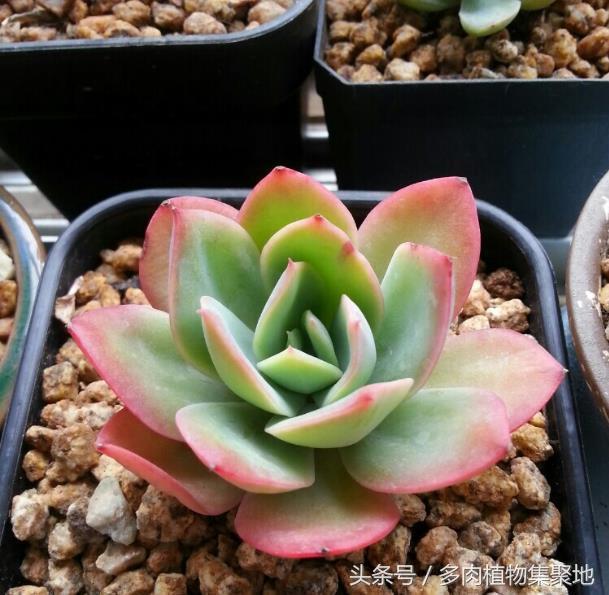
Most succulents thrive in warm environments, especially within the range of 20°C~30°C, where they grow their most luxuriant foliage. Whether they are winter-growing or summer-growing succulents, both take measures to protect themselves when getting through summer. For example, summer-growing types enter a brief dormancy under sustained high temperatures, while winter-growing types may even stay dormant throughout summer. So for home care, they should be placed indoors in a spot with circulating air, and if conditions allow, you can also scatter clean white pebbles on the surface of the potting soil, which reflect sunlight and reduce heat absorption.
In winter, watering is generally done at warm, sunny noon, and the watering frequency needs to be adjusted according to your own home environment. In northern regions with heating, a windowsill can still be 15~25 degrees in winter, and the indoor air is very dry, so moisture evaporates quickly; under these conditions you can water frequently. In the damp, cold winters of the south, plants transpire little and air humidity is high, so watering intervals can be longer, and the soil should not be kept constantly moist.
Keeping air flowing freely is very important for succulents. Normal airflow not only lowers the high-temperature microclimate around the succulents, but also quickly carries away the excess moisture produced when you accidentally overwater. In addition, a ventilated environment can effectively prevent pests and diseases. In summer, place the succulents in a ventilated, shady spot - "shady" here refers to the degree of light exposure.
If direct sunlight keeps beating down on succulents, they will become listless and shrivel. Succulents must have sufficient light to grow normally. Among them, succulents such as Dioscorea elephantipes and spring grass most need shade and protection from light, and if conditions allow, using a shade net works very well too. The newly planted succulent's new leaves have not yet grown, but the old leaves are gradually shriveling - what should you do? If there is no scorching sun, this is normal plant metabolism, so there is no need to worry. One last point to stress: newly planted ones should not be exposed to scorching sun; the sunlight should gradually go from weak to strong.
Repotting and changing the soil will inevitably damage the root system, and it takes time to regrow roots and recover. Unless there is a particularly severe pest or disease problem, repotting in winter is not really recommended. When the temperature is about to reach the succulent's minimum tolerance, you should start controlling water to reduce the moisture inside the plant, artificially prompting it into dormancy so that it relies on itself to improve its cold resistance.
When caring for succulents in summer, attention should be paid to avoiding water. Succulents most dislike waterlogged conditions, especially in summer, when growers feel that the moisture in the soil dries up quickly and therefore water frequently, causing the roots to stay wet and rot for a long time, beyond saving. In fact, succulents that have entered dormancy do not need much water, and even summer-growing types in their growth period should only be given a moderate amount.
This is a gathering place for succulent lovers, sharing succulent care tips. You are welcome to follow and join the conversation.