Nasturtium in dry land: grow a pot on the balcony, and it blooms into a red waterfall, and it's especially good for making tea
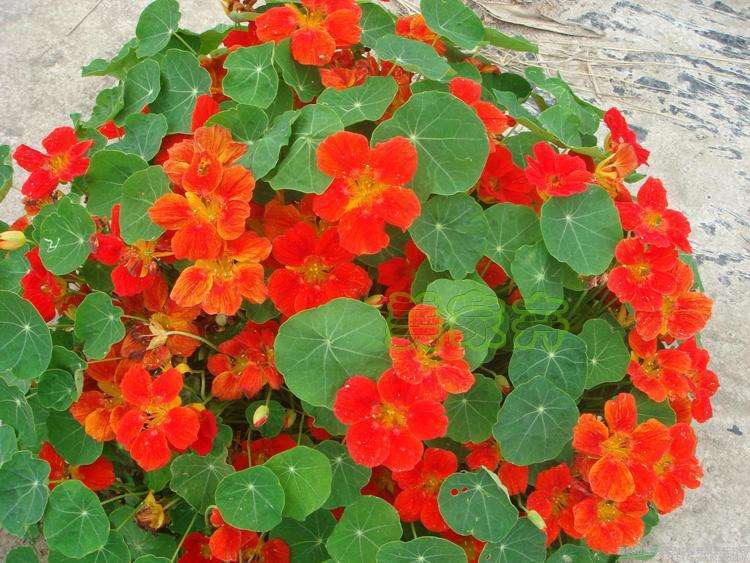
Nasturtium, which we call "dry lotus" here. My neighbor grows a pot of it. It blooms a lot, the flower colors are bright, and it's very beautiful. If you grow it on a balcony and manage it well, it will bloom into a waterfall of flowers! How should you manage it? Let's take a look together:
To grow nasturtium, you must first understand its growth habits: nasturtium likes loose soil, good ventilation, good light, and a warm and fresh environment. The suitable temperature is 15-28°C. When the temperature is high, it goes dormant; when the temperature is low, it grows slowly and does not bloom. According to its needs, adjust things reasonably when growing it.
Suitable soil
Nasturtium likes loose and breathable soil. You can mix garden soil, leaf mold, river sand, or perlite in a 3:3:1 ratio. Then spread a layer of organic fertilizer or your own composted fertilizer in the potting soil as a base fertilizer to increase fertility. It is very effective. Be careful that the fertilizer does not come into contact with the roots. This kind of soil mix is loose, breathable, and drains well, and is very suitable for root growth and absorption.
Suitable light
Nasturtium likes warm sunlight, but cannot tolerate direct strong light. Now in summer, pay even more attention to light intensity, and shade it appropriately. At noon, move it indoors to a place with diffused light. Remember, it must not be exposed to harsh sun.
Moderate watering
The stems and leaves of nasturtium are juicy and it likes water very much, but its fleshy roots are afraid of waterlogging, so watering is very critical. During the growing period, keep the soil moist. When it dries out, be sure to water thoroughly, and also pay attention to soil drainage and breathability. It must never be sticky and airtight! In winter, the water requirement is a little lower, so you can water based on drying and wetting.
When watering, you can appropriately add a little ferrous sulfate to prevent the soil from becoming alkaline. If the soil becomes alkaline, the plant will not grow vigorously.
Pinching the top and removing the growing tip
This step is essential. Because the stems of nasturtium are semi-climbing and relatively slender, if you let a single branch climb freely, it will grow thin and weak, unable to withstand wind, so you need to pinch off the growing tip.
When the vine grows 4 or 5 leaves, pinch off the growing tip to promote thicker vines and side branch differentiation. You can wait until it grows four leaves and pinch the tip again, so it will produce many vines, flower buds will differentiate more, and it will bloom explosively. It is not difficult for it to bloom into a waterfall.
Fertilizing
During the growing period, apply dilute cake fertilizer water or nitrogen fertilizer solution twice a month. Two months before the flowering period, increase phosphorus and potassium fertilizer to promote flower bud differentiation and produce more buds. During the flowering period, there is no need to fertilize. Excessive fertilizer instead shortens the flowering time and causes flowers to drop.
With this care, your nasturtium will almost certainly bloom into a waterfall. It can also be used to make tea, and has the effects of clearing heat, refreshing the mind, and improving eyesight.