Growing flowers at home has become a symbol of modern civilized living
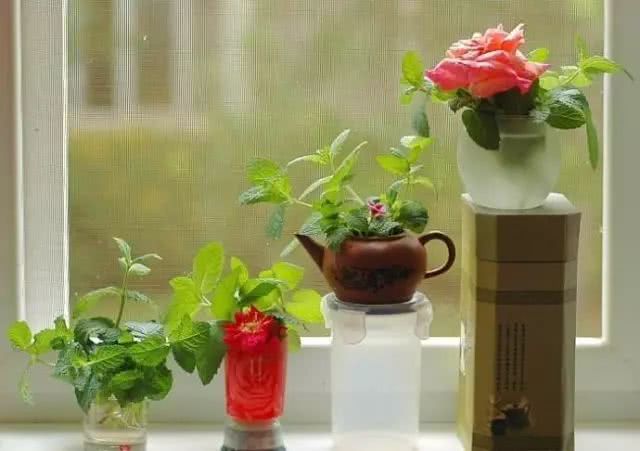
Growing flowers at home not only decorates your living space and lets you enjoy the brilliance of the blooms, but also purifies indoor air, keeps the air fresh and natural, and benefits both body and mind.
Growing flowers at home has become a symbol of modern civilized living today.
Butgrowing flowers well is not a simple matter, and there is a great deal of knowledge behind it。
For houseplants,the biggest problem is the supply of nutrients to the plants。
Most household flowers are grown in pots, and over time the soil becomes depleted of fertilizer and tends to compact, which is bad for plant growth. So if you want to grow flowers well, reasonable fertilizing becomes the key.
The nutrients plants need to grow are mainly nitrogen, phosphorus and potassium, which must be replenished through fertilizing.
But different plants, and plants at different growth stages, need different fertilizers, and there are many kinds of flower fertilizers; if you use the wrong one, it may have the opposite effect.
Here we will look together at how to correctly choose the right flower fertilizer.
Flower fertilizers fall mainly into two categories: organic fertilizers and inorganic fertilizers。
Organic fertilizers include human feces and urine, livestock and poultry manure, and various oilseed meals, such as soybean meal, sesame paste residue and cottonseed meal; they are rich in nitrogen, phosphorus, potassium and trace elements
When food waste such as bones, fruit peels and fruit cores is composted and fermented, what forms is natural organic fertilizer.
Indoors, using feces as fertilizer is not suitable, so making your own flower fertilizer becomes the best choice.
Especially for flowering plants, adding more bones when composting increases the phosphorus, which helps promote vivid flower colors and large blooms.
Note that organic fertilizer must be fermented; raw fertilizer easily damages the flower roots.
Inorganic fertilizer is what we commonly call chemical fertilizer
It has a high nutrient content, acts quickly, and is clean and hygienic; the drawback is that long-term use easily causes soil compaction, so it is best used together with organic fertilizerapplied in combination。
Inorganic fertilizers are more targeted, first, you can choose different flower fertilizers at different growth stages of the plant, such as a high-nitrogen, low-phosphorus, low-potassium fertilizer at the seedling stage, while when forcing flowers you should use a low-nitrogen, high-phosphorus, medium-potassium fertilizer;
second,when plants lack different nutrients they show different symptoms, such as a nitrogen deficiency causing yellowing leaves, and a potassium deficiency causing fragile roots; based on the plant's different symptoms, determine which fertilizer is lacking and treat the cause accordingly.
Fertilizer is not the case that the more expensive the better; a fairly popular way to use fertilizer at present is 75% controlled-release fertilizer plus 25% water-soluble fertilizer, in this ratioused togetheris the most economical and effective.
The timing of fertilizing must also be judged well, it is best not to fertilize on rainy days, cloudy days, the fifth day, or hot days, as this can cause the plants to rot; it is best to choose a sunny day for fertilizing.
Also note the fertilizing method