Traditional Chinese Medicine Herbal Formula Combinations for the Treatment of Pneumoconiosis
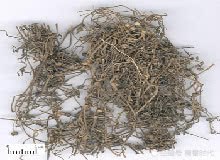
In the conservative treatment of cancer with traditional Chinese medicine, many treatments far surpass the effects of Western medicine surgery, radiotherapy, and chemotherapy. Some drugs like Hedyotis diffusa (white flower snake-tongue grass) have very good and strong efficacy in treating respiratory diseases and anti-cancer effects. For common pneumoconiosis, bronchial asthma, and other respiratory diseases, as well as diseases of other systems, there is a series of Chinese herbal formula combinations that correspondingly resolve individual common diseases.
Hedyotis diffusa (white flower snake-tongue grass)
In pneumoconiosis and other respiratory system diseases, there are indispensable herbs such as Ophiopogon japonicus (dwarf lilyturf), Lilium (lily), Glehnia littoralis (coastal glehnia root), Trichosanthes kirilowii (trichosanthes root), Lonicera japonica (Japanese honeysuckle), Taraxacum (dandelion), Hedyotis diffusa (white flower snake-tongue grass), donkey-hide gelatin, Taraxacum (dandelion), Panax quinquefolius (American ginseng), Polygonum cuspidatum (Japanese knotweed), Ganoderma lucidum (reishi mushroom), Rhodiola rosea (roseroot), Persicae semen and Armeniacae semen (peach and apricot kernels), Salvia miltiorrhiza (red sage), etc., all of which can be applied to actual individual cases and examples of respiratory diseases. Take Hedyotis diffusa, for example: it drains dampness, detoxifies, and clears heat; in application it can remove dampness, heat toxin, and stasis.
Therefore, Hedyotis diffusa has a very broad range of use. It is a fine medicine for cancer, pneumoconiosis, and bronchiectasis patients, as well as for internal medicine conditions such as hepatitis and gynecological diseases, and also for external medicine conditions such as boils, carbuncles, and venomous snake bites. Moreover, in terms of administration, it can be pounded for external application, pounded for juicing and drinking, or applied topically; more commonly it is decocted into a decoction for oral consumption. With drugs of such versatile application, traditional Chinese medicine for treating pneumoconiosis, asthma, and other respiratory diseases and other conditions can reach a hundred or several hundred herbs.
Pneumoconiosis Examination
For example, Stephania tetrandra (fourstamen stephania root), Stemona japonica (Japanese stemona root), Fritillaria cirrhosa (tendrilled fritillary bulb), Trichosanthes kirilowii (trichosanthes fruit), Citrus reticulata peel (tangerine peel), Sparganium stoloniferum (burreed tuber), Panax notoginseng (notoginseng), Sargassum (seaweed), Laminaria japonica (kelp), Gecko (gecko), Hirudo (leech), Dioscorea nipponica (Japanese yam), and so on, can all be applied to different diseases. What matters is the proper pairing of sovereign, minister, assistant, and envoy herbs, along with the properties and functions of cold, hot, warm, and neutral natures, as well as the meridian entry of flavors - for example, bitter enters the heart, sweet enters the spleen - all of which serve as guiding herbs, leading the functional drugs into the disease area requiring treatment to achieve therapeutic effect.
If you have any questions or need help, please call 01062170649 13269852331