Ficus volcano symbolizes a guardian deity, bringing a different kind of potted scenery
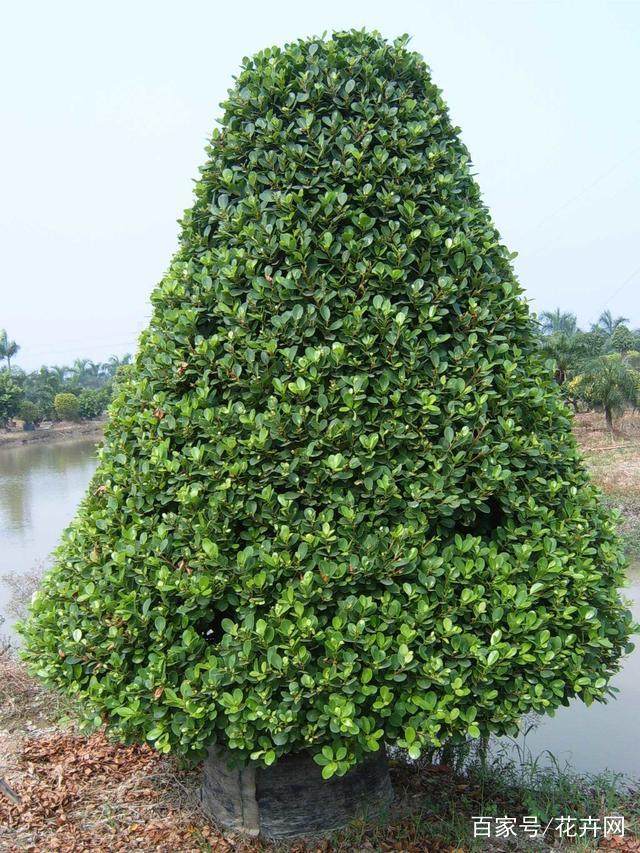
The leaves of Ficus volcano are elliptical or obovate, and the leaf color is extremely glossy. Its trunk is relatively thick and sturdy, and its shade is large and dense. Do not underestimate its rooting ability; its fibrous aerial roots have extremely strong spreading power.
Since Ficus volcano is so unusual, what should you do if you want to grow it? We will start with its habits to help explain how to plant it. What meanings does planting Ficus volcano carry? Or is it merely for greenery decoration?
1. Symbolism
Since ancient times, banyan trees have symbolized guardian deities, and their majestic appearance is full of charm. Ficus volcano is an evergreen foliage plant, carrying the meaning of longevity and good fortune. It is an excellent opening gift implying glory, wealth and honor. When a new store opens, one plant can be placed on each side of the front entrance to pray for a rising career and thriving business, reflecting the characteristics of a money tree that brings in wealth and treasure.
2. Habits
Do not be misled by its name. It is not a banyan tree that grows on volcanoes; it is simply a subtropical type of banyan tree. It likes to stay in places with plenty of sunlight and excellent ventilation. It is itself highly drought-tolerant and shade-tolerant, so it can be said to have no excessive requirements for its growing environment. Ficus volcano grows quickly and remains evergreen all year round. The plant's appearance is highly malleable, and its shape can be styled according to your own preferences.
3. Care methods
1. Ficus volcano is native to subtropical regions and likes an environment with plenty of water and fertilizer. It has strong environmental adaptability and can be planted in the ground or in pots, and can grow in stone crevices or in water. During its growing period, Ficus volcano needs frequent watering to keep the potting soil moist, but waterlogging must absolutely be avoided. In addition, air humidity is also essential. If the air humidity is insufficient, the leaf edges of Ficus volcano will turn scorched yellow.
2. When pruning and shaping Ficus volcano, it is best to do so during its dormant period. Because the sap in the branches flows quickly during the growing period, pruning at that time will cause sap loss and harm the plant's growth. For Ficus volcano in the growing period, protect the outer bark of its branches and trunk to avoid sap loss.
3. If a Ficus volcano used for celebrations is to be moved from outdoors to indoors for growing, choose a location with good ventilation and better light for it. As an indoor bonsai, Ficus volcano should be regularly washed with clean water to make the leaves glossy and bright green.
With the above introduction to the habits of Ficus volcano, key care points, and the symbolism it represents, do you have a newer understanding of it? Ficus volcano has extremely tenacious vitality and relatively simple care methods, making it a choice for potted plants in homes and shops.