It's a rumor that growing vegetables in foam boxes is toxic; it's not too late to know now
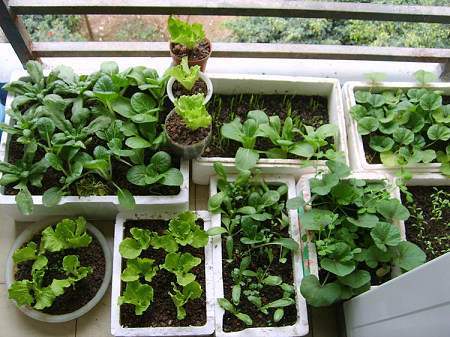
Everyone is familiar with foam boxes; every household has a few, with nowhere to store them and nowhere to put them. Let me teach you how to turn waste into treasure and use them for potted plants!
Not just potted plants, growing vegetables is no problem either, and after harvesting you can use them with peace of mind! I myself have grown chives in foam boxes at home, and they tasted good. But everyone worries: could they be toxic? Let's take a look:
The main component of foam boxes is polystyrene, and the chemical composition of polystyrene is really quite stable; under natural conditions it does not decompose easily. We have all seen foam in garbage dumps exposed to wind and rain; aside from being dirty and broken, the main body does not change much.
What everyone worries about most is this: after a foam box is exposed to high temperatures for a long time, the decomposed substances are absorbed by potted plants and affect plant growth; placed indoors, the toxicity is then released through the plants or we use them, affecting our health, right?
You don't need to worry about this! This claim is unfounded. Polystyrene will decompose under high temperatures to release a small amount of monomer. This monomer is not very soluble in water, and its boiling point is very low, so it quickly evaporates in the air. Very little can be absorbed by plants, basically negligible. So there is really no need to worry.
When growing potted plants in foam boxes, pay attention to their permeability! Because foam has poor water absorption and is dense and airtight, before planting you should drill several larger holes in the bottom. As long as you make sure not too much soil falls out, make them as large as possible and drill several more. This way the roots can breathe freely and the plants will grow vigorously.
Foam boxes are relatively easy to obtain and have a large area, making them very suitable for households to grow vegetables. Chives, fennel seedlings, lettuce, cilantro, spinach, and so on can all be grown yourself. As long as the space is big enough, collect a few more and plant a patch, and your family's vegetables won't cost money!