Where do bugs on indoor potted plants come from, and how can you avoid pest and disease infections?
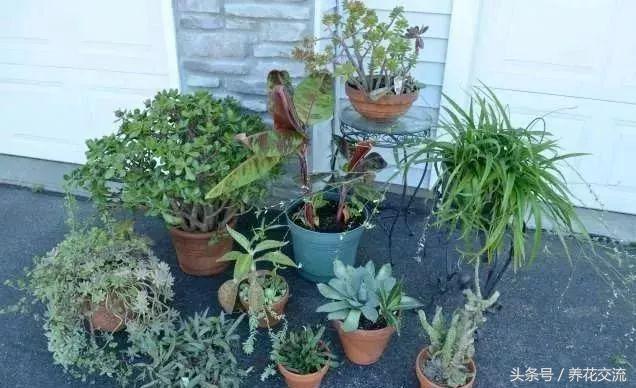
If you, like me, keep a bunch of potted plants at home and are very afraid of pest and disease infections in summer, but you do not know how to prevent these bugs, then you can take a look at this. First of all, you need to know where these pests and diseases come from?
When caring for indoor potted plants, you must pay attention to regular inspections. Every day, look at the backs and fronts of the leaves and check whether the leaves are damaged. If you find pests or diseases, clean them up promptly. If the pests and diseases become very severe, they are extremely difficult to deal with.
Where do pests and diseases come from?
When potted plants are kept outdoors, they are especially prone to pest and disease infections in summer. Of course, this is not the only way they become infected with bugs; even plants kept indoors year-round are prone to pest and disease infections.
Indoor plants mainly become infected with pests through the following routes:
Whether it is fresh produce bought from a grocery store or a supermarket, it may carry some pests and diseases, most commonly aphids and mealybugs.
I have seen many times that vegetables and fruits bought from grocery stores carry aphids. If they are not handled properly, these pests will move onto potted plants. The most common way indoor potted plants become infected with pests is through doors and windows, especially various scale insects and spider mites. In summer, they very easily get onto indoor potted plants through windows.
Potted soil is also a main route for pest and disease infections. Some pests even lay eggs in the potting soil, such as the common fungus gnats and root mealybugs. Most pests live and reproduce in the potting soil. To avoid pest infections, the growing soil must be sterilized and disinfected before use. If it is old soil, it can be sun-dried before use.
Newly purchased potted plants at home may also carry pests and diseases. No matter where you buy the plants, whether from a flower shop or online, they must undergo strict inspection and be completely healthy before they can be placed together with the potted plants at home. Even some cut flowers or other fresh flowers you buy should be checked to see whether there are signs of pest or disease infection on the leaves, the backs of the leaves, or at the leaf buds.
Another thing to note is the ants around potted plants. This sounds crazy, but ants, these small insects, will carry aphids and scale insects onto healthy plants and specifically farm these pests. People who grow flowers generally dislike ants. Ants will consume the excrement of aphids and scale insects, that is, their honeydew, and they will carry these pests onto healthy plants, so if you see ants moving around potted plants, you should also be alert.
In summer, do a good job of protecting potted plants from pests and diseases. Be sure to keep the environment ventilated, and promptly remove standing water nearby. Avoid keeping potted plants in enclosed spaces.
When watering potted plants, also be careful to avoid overly wet soil. If the soil suddenly stays waterlogged for a long time, it is very easy to get fungus gnats. They will keep reproducing in the soil and will also lay eggs in the soil, and they can reproduce one generation in 5-7 days.
If you accidentally get fungus gnats, be sure to control watering and keep the soil appropriately dry, and these small flies will die out. You can also soak mosquito coils in water and pour it into the soil to clear out the eggs inside.