Potted aloe kept outdoors keeps growing offsets and the leaves turn red, what should I do?
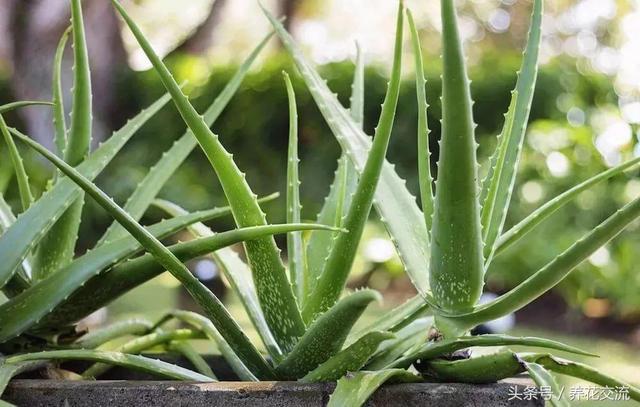
Today I want to tell you how to grow aloe better indoors. It is a very drought-tolerant succulent that can be grown for many years, and it will keep producing all kinds of small offsets. Once the small offsets grow to about nine cm or so, you can keep dividing and propagating them.
Aloe is a very popular indoor potted plant. The gel inside its leaves can be used to heal wounds, and a few varieties are even edible.
If you want your aloe to grow faster, it is best to keep it outdoors. It likes and gets plenty of sunlight. In a shaded spot it can survive, but its growth rate will become very slow. However, avoid excessive exposure to strong sun. If its leaves turn red, that proves it has been sunburned too severely; afterwards move it to a shaded spot, and its leaves will slowly recover to green.
Aloe can also grow well in pots. It has relatively high requirements for soil drainage and does not need much fertility, so be sure to choose a loose, well-draining sandy soil for cultivation.
The most important thing when growing aloe is to avoid overwatering. Once watered too much, aloe can easily die. Under natural conditions, aloe grows in desert regions with little rain year-round, and its leaves store water, so it can go for a very long time without being watered.
Overwatering easily causes root rot, rotting stems and leaves, and ultimately kills the whole plant. In places with higher temperatures and more sunlight, you can keep the soil appropriately moist, but if it is kept in a shaded spot or a place with little sunlight, or if the temperature is relatively low, then you must control watering, and even wait until the potting soil has been dry for a few days before watering. You can insert your finger into the soil; if the soil 3 to 5 cm below the surface is dry, you can appropriately replenish water until water drips out of the drainage holes at the bottom of the pot.
When caring for aloe, be sure to avoid keeping it in a completely dark place. At least give it a little light; it is best to place it in a spot with plenty of sunlight, where it will grow faster and more easily produce offsets. Kept indoors, it needs to stay in a bright spot; if there is insufficient light, supplement with lighting.
The soil for growing aloe must have very good drainage. You can directly mix perlite with peat moss, or add some sand to the soil, both of which can increase drainage.
The pot for growing aloe must have relatively many drainage holes, and I prefer to use pots made of ceramic or clay, as they have better air and water permeability and can let the soil dry out quickly.
Aloe has very low fertilizer needs. Generally, give just a little fertilizer in spring and early summer, and the concentration must not be too high. The frequency of fertilizing must not be too high in a year; generally, giving a diluted organic liquid fertilizer once every three to four weeks is enough, and avoid direct contact with aloe's roots.
If aloe is given controlled watering and more light, it can also produce brilliant flowers. It will grow relatively long flower stalks, and generally it needs 5 or 6 years or more before it has a chance to bloom, though this also depends on luck.
Potted aloe will grow many small shoots. These offsets can be divided once they are about seven cm or so. Now remove the old soil, being careful not to damage the roots, especially the main root, and break off these small offsets together with their roots.
Aloe can grow many offsets without much care. The small offsets can be grown in relatively small containers; avoid transplanting them into a large pot, otherwise they are prone to waterlogging and root rot. These offsets will slowly grow larger too. Be sure to use a loose, well-draining sandy soil for cultivation, plant them, wait three to five days before watering, and gradually expose them to light.